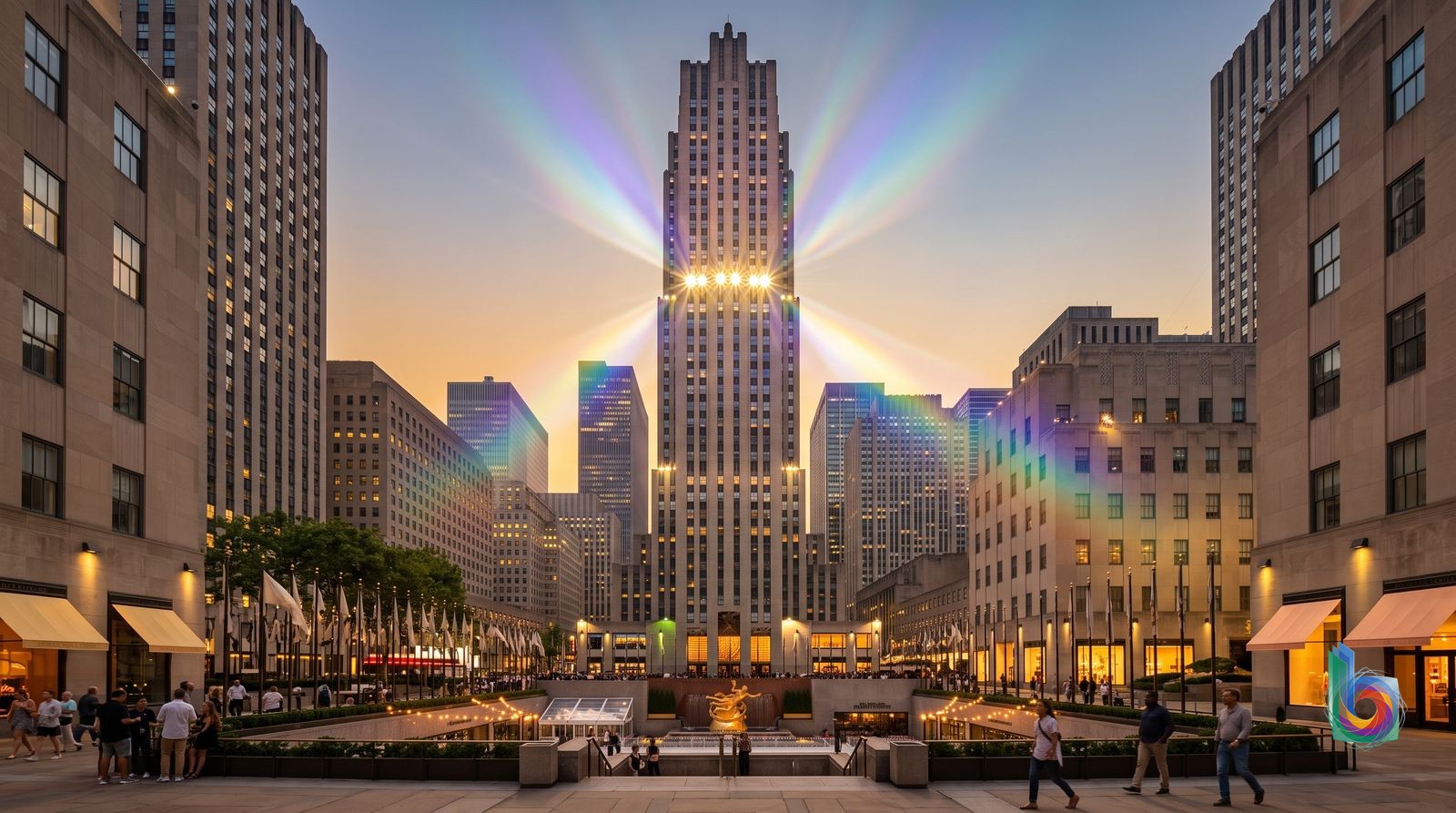
The skyline and big-ticket observation decks · Broadway and film-and-TV streetscapes · Major museums, especially the Met and MoMA · Central Park
New York is five boroughs lashed together by subway lines, bridges, ferries and sheer momentum. Manhattan is the display case—finance, Broadway, Central Park, museums and skyline—but treating it as the whole city misses the residential, immigrant, food-obsessed reality of Brooklyn, Queens, the Bronx and Staten Island.
The mental map
Think of Manhattan as downtown, midtown and uptown, with the Hudson on the west and the East River on the east. Use street numbers, avenues, subway lines and east-versus-west orientation; tourist-district labels are less useful. The outer boroughs work neighborhood by neighborhood, not as single sightseeing zones. Manhattan is long: Lower Manhattan to Central Park is a real journey, not a stroll.
Pacing
Plan one timed anchor, one serious neighborhood walk, one museum or park, then dinner or a show. The city is dense but security lines, subway transfers and long blocks punish checklist itineraries; cluster Lower Manhattan with Brooklyn, and Midtown with Central Park.
Numbered pins are the top sights — tap one for details.
This is New York's essential breathing room, and its scale makes it better treated as a purposeful walk than a box to tick. Enter around Bethesda Terrace, Bow Bridge, or the Reservoir and combine it with a major Upper West Side museum.
The Met is one of the world's great encyclopedic museums and easily merits a first-timer's limited museum time. Do not try to conquer it: choose two or three departments, then take a break on the rooftop in warm weather.
It is loud, commercial, and unavoidable—but the concentrated spectacle of lights and people is uniquely New York. Make it a short evening pass-through rather than a destination that consumes an afternoon.
Tribeca, Financial District & Battery Park City · 4 h
The ferry approach supplies the cinematic New York Harbor experience, while the statue remains a powerful national symbol. The pedestal is worthwhile for most first-timers; book the crown only if that specific climb matters to you.
Tribeca, Financial District & Battery Park City · 1 h
The bridge is best experienced on foot, with its Gothic towers and Lower Manhattan skyline doing more than any observation deck to explain the city. Walk from Manhattan toward Brooklyn, then continue to the waterfront if time permits.
Tribeca, Financial District & Battery Park City · 2.5 h
The outdoor memorial is an important, restrained public space; the museum provides the necessary historical and personal context. Allow emotional bandwidth and do not schedule it as a rushed stop between attractions.
Where to stay
First visit? Stay in Midtown West.
For a first three-to-five-night visit, Midtown West offers the most efficient access to Broadway, Rockefeller Center, Fifth Avenue, Grand Central, Central Park South, the Empire State Building and several major subway trunks. Stay around Bryant Park or the eastern Theater District rather than directly on Times Square.
Where to eat
Tables worth crossing town for
Costs nothing
Free and great
Ride the Staten Island Ferry from Whitehall Terminal for the best free harbor views of Lower Manhattan and the Statue of Liberty; return on the next boat unless Staten Island is part of the plan.
Walk the Brooklyn Bridge from Manhattan to Brooklyn early, then continue through DUMBO and Brooklyn Bridge Park. After late morning, expect crowds rather than romance.
Use Central Park as part of the neighborhood you are already visiting: the Mall, Bethesda Terrace, Bow Bridge, Sheep Meadow, Belvedere Castle exterior and Reservoir loop cost nothing.
Walk the High Line south to north from Gansevoort Street toward Hudson Yards, ideally paired with Chelsea galleries or Little Island. Avoid peak weekend hours unless you enjoy moving in a queue.
Do a Lower Manhattan history walk: Wall Street, Trinity Churchyard, Federal Hall exterior, the 9/11 Memorial pools and Battery Park make a strong free half-day.
Skip multiple paid decks and use Brooklyn Bridge Park, Domino Park, Gantry Plaza State Park or the Hudson River Greenway for better free skyline time.
Browse Union Square Greenmarket or a neighborhood farmers’ market for breakfast supplies and people-watching; it is free to browse, not a cheap lunch.
Visit the always-free National Museum of the American Indian or Museum at FIT. Treat limited free windows at the 9/11 Museum and MoMA as reservations with rules, not open-door free nights.
The skyline and big-ticket observation decks · Broadway and film-and-TV streetscapes · Major museums, especially the Met and MoMA · Central Park
New York is five boroughs lashed together by subway lines, bridges, ferries and sheer momentum. Manhattan is the display case—finance, Broadway, Central Park, museums and skyline—but treating it as the whole city misses the residential, immigrant, food-obsessed reality of Brooklyn, Queens, the Bronx and Staten Island.
The mental map
Think of Manhattan as downtown, midtown and uptown, with the Hudson on the west and the East River on the east. Use street numbers, avenues, subway lines and east-versus-west orientation; tourist-district labels are less useful. The outer boroughs work neighborhood by neighborhood, not as single sightseeing zones. Manhattan is long: Lower Manhattan to Central Park is a real journey, not a stroll.
Pacing
Plan one timed anchor, one serious neighborhood walk, one museum or park, then dinner or a show. The city is dense but security lines, subway transfers and long blocks punish checklist itineraries; cluster Lower Manhattan with Brooklyn, and Midtown with Central Park.
Numbered pins are the top sights — tap one for details.
This is New York's essential breathing room, and its scale makes it better treated as a purposeful walk than a box to tick. Enter around Bethesda Terrace, Bow Bridge, or the Reservoir and combine it with a major Upper West Side museum.
The Met is one of the world's great encyclopedic museums and easily merits a first-timer's limited museum time. Do not try to conquer it: choose two or three departments, then take a break on the rooftop in warm weather.
It is loud, commercial, and unavoidable—but the concentrated spectacle of lights and people is uniquely New York. Make it a short evening pass-through rather than a destination that consumes an afternoon.
Tribeca, Financial District & Battery Park City · 4 h
The ferry approach supplies the cinematic New York Harbor experience, while the statue remains a powerful national symbol. The pedestal is worthwhile for most first-timers; book the crown only if that specific climb matters to you.
Tribeca, Financial District & Battery Park City · 1 h
The bridge is best experienced on foot, with its Gothic towers and Lower Manhattan skyline doing more than any observation deck to explain the city. Walk from Manhattan toward Brooklyn, then continue to the waterfront if time permits.
Tribeca, Financial District & Battery Park City · 2.5 h
The outdoor memorial is an important, restrained public space; the museum provides the necessary historical and personal context. Allow emotional bandwidth and do not schedule it as a rushed stop between attractions.
Where to stay
First visit? Stay in Midtown West.
For a first three-to-five-night visit, Midtown West offers the most efficient access to Broadway, Rockefeller Center, Fifth Avenue, Grand Central, Central Park South, the Empire State Building and several major subway trunks. Stay around Bryant Park or the eastern Theater District rather than directly on Times Square.
Where to eat
Tables worth crossing town for
Costs nothing
Free and great
Ride the Staten Island Ferry from Whitehall Terminal for the best free harbor views of Lower Manhattan and the Statue of Liberty; return on the next boat unless Staten Island is part of the plan.
Walk the Brooklyn Bridge from Manhattan to Brooklyn early, then continue through DUMBO and Brooklyn Bridge Park. After late morning, expect crowds rather than romance.
Use Central Park as part of the neighborhood you are already visiting: the Mall, Bethesda Terrace, Bow Bridge, Sheep Meadow, Belvedere Castle exterior and Reservoir loop cost nothing.
Walk the High Line south to north from Gansevoort Street toward Hudson Yards, ideally paired with Chelsea galleries or Little Island. Avoid peak weekend hours unless you enjoy moving in a queue.
Do a Lower Manhattan history walk: Wall Street, Trinity Churchyard, Federal Hall exterior, the 9/11 Memorial pools and Battery Park make a strong free half-day.
Skip multiple paid decks and use Brooklyn Bridge Park, Domino Park, Gantry Plaza State Park or the Hudson River Greenway for better free skyline time.
Browse Union Square Greenmarket or a neighborhood farmers’ market for breakfast supplies and people-watching; it is free to browse, not a cheap lunch.
Visit the always-free National Museum of the American Indian or Museum at FIT. Treat limited free windows at the 9/11 Museum and MoMA as reservations with rules, not open-door free nights.