- Pace
- For a first visit, stay in Madrid city for 4–6 nights and take one or two rail day trips rather than changing hotels. Give the capital at least three full days; a week comfortably adds two historic towns. Add an overnight mountain base only if hiking or a car-led rural trip is the point—short map distances can mean long, awkward bus journeys.
- When to go
- Late September through October is Madrid’s best all-round window: warm enough for long city days and rail day trips, but far less punishing than summer. March–May is nearly as good, especially for Aranjuez’s gardens, though it is wetter and San Isidro pushes up demand in May. Avoid July–August unless you are comfortable structuring days around heat or are using a car to get into the higher Sierra; winter is strong for museums, restaurants and cocido, but cold nights and Christmas crowds change the equation.
- Daily budget
- €180–300
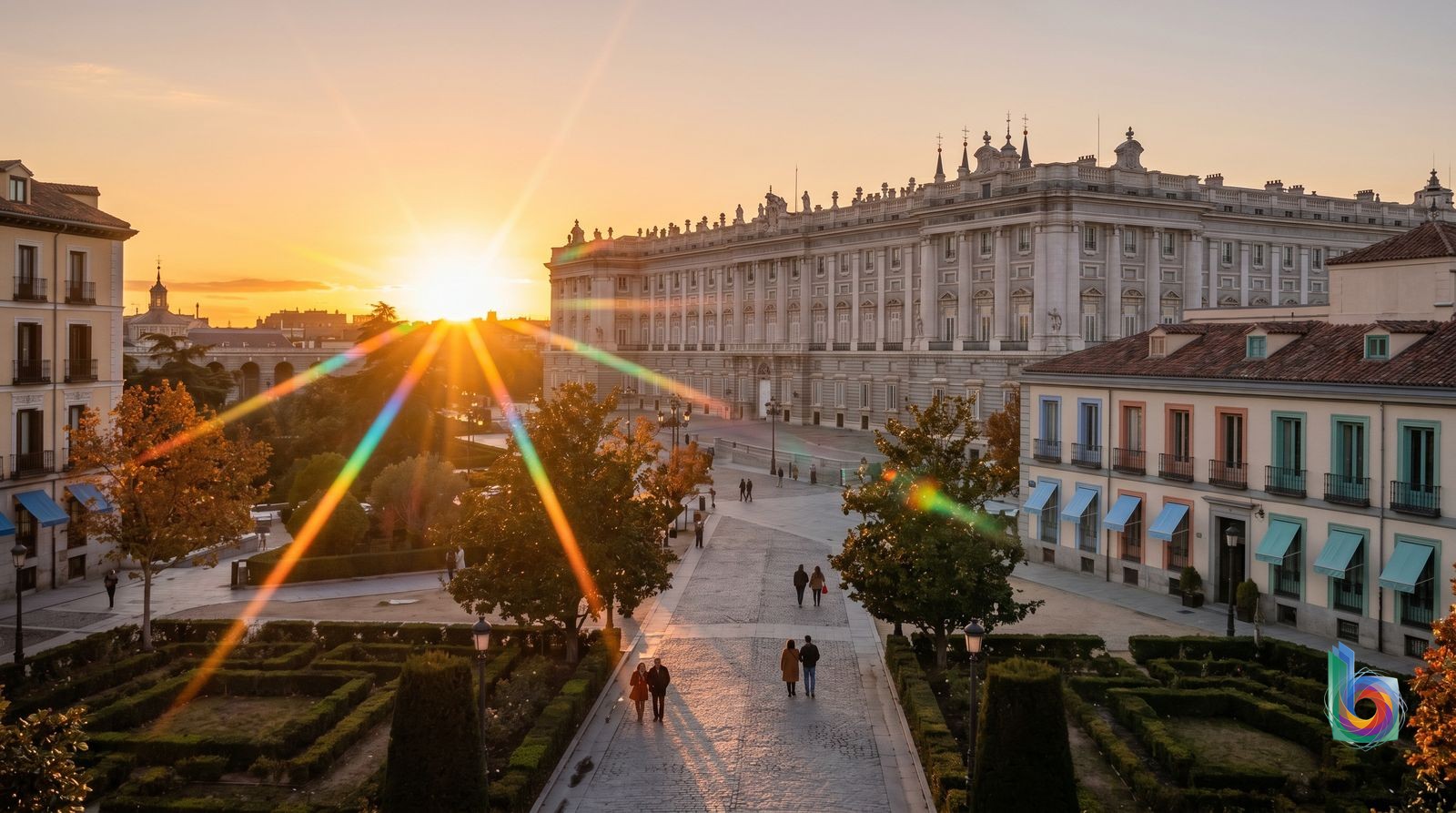
The Community of Madrid is a compact, entirely inland region built around one giant capital rather than a mini-version of Spain. Come for Madrid city’s museums, late-night food and street life, then use it as a launchpad for royal sites, a university town and surprisingly serious granite-and-pine mountains. There is no coast, no island escape and no reason to pretend otherwise.
Known for
- Madrid city’s Prado, Reina Sofía and Thyssen museum axis
- Late dining, tapas bars and nightlife in the Spanish capital
- Royal landscapes at Aranjuez and the monastery-palace of San Lorenzo de El Escorial
- Alcalá de Henares, Cervantes’ university city
- Sierra de Guadarrama and Sierra Norte escapes around La Pedriza, Rascafría, Patones and Buitrago del Lozoya
Where to go
 1
Base · 3–6 days
Madrid
The capital is the region’s non-negotiable anchor for the Prado, Reina Sofía and Thyssen, plus dense walkable neighborhoods, serious eating and late nights. Give it at least three full days before treating anywhere else as a priority.
first-timersart loversfoodiessolo travelers
Explore Madrid  2
Alcalá de Henares
Short stop · 1 day
A compact UNESCO university city with Cervantes connections, arcaded streets and a historic center that feels lived-in rather than palace-themed. It is the easiest cultural rail day trip from Madrid and works well at a deliberate, unhurried pace.
book lovershistory loversfamilies
 3
Aranjuez
Base · 1–2 days
Come for the Royal Palace, but stay out in the gardens and riverside landscape; that is what makes Aranjuez more than a rooms-and-portraits stop. It is especially strong in spring and early autumn, when seasonal asparagus and strawberries give lunch a reason to matter.
garden loversroyal-history fanscouples
 4
San Lorenzo de El Escorial
Base · 1–2 days
The vast monastery-palace is Madrid’s most forceful imperial monument: austere, cerebral and far less decorative than Aranjuez. Pair it with the town and an easy mountain walk rather than rushing straight back to the capital.
architecture lovershistory loversmountain walkers
 5
Sierra de Guadarrama
Madrid’s practical mountain escape runs from Manzanares el Real and La Pedriza’s granite formations to the rail-linked walking gateways of Cercedilla and Navacerrada. Use it for hiking, climbing or escaping summer heat, but avoid weekend parking bottlenecks and do not assume transit reaches every trailhead.
hikersclimbersactive travelers
Rascafría and the Lozoya Valley
6Rascafría and the Lozoya Valley
Base · 2 days
This greener northern valley is the best mountain overnight base for forest walks, the El Paular monastery and cooler summer temperatures. It rewards two nights and a car; buses are possible, but one missed connection can consume the day.
hikerscouplesrepeat visitors
Buitrago del Lozoya and the Sierra Norte
7Buitrago del Lozoya and the Sierra Norte
Base · 2 days
Buitrago’s complete medieval walls and river setting make it the most convincing historic stop in Madrid’s quiet northern highlands. Treat it as part of a car-based landscape loop with reservoirs and small villages, not as a monument-packed city break.
road trippersphotographershistory lovers
Patones de Arriba
8Patones de Arriba
This steep slate-built village is the region’s sharpest rural contrast to central Madrid, best for a short wander and mountain lunch. Go early or late on a weekday if possible: its tiny lanes, parking and restaurants buckle under weekend demand.
driversphotographersfoodies
Chinchón and Colmenar de Oreja
9Chinchón and Colmenar de Oreja
Base · 2 days
These southeastern wine towns suit travelers who want Castilian roast lunches, local anís, wineries and provincial stone streets rather than another royal site. They work best by car and deserve a slower overnight or a focused day, not a rushed add-on to Aranjuez.
foodieswine loverscouples
Don't miss
1
Plaza MayorSol, Letras and Lavapiés
Madrid’s grand civic square is a useful orientation stop rather than a long visit. Pass through on a walk between Sol, the Austrias and Mercado de San Miguel, then spend your eating time on surrounding streets rather than in the square itself.
2
Royal Palace of MadridLa Latina and Austrias
This is the essential royal interior in Madrid, with ceremonial rooms that give the Austrias quarter its context. Book a morning entry, then continue on foot through the cathedral and down toward La Latina.
3
Museo Nacional del PradoRetiro and Paseo del Arte
The Prado is Madrid’s defining art museum and merits a focused visit rather than an attempt to see everything. Pick a short list of painters or rooms beforehand, then use the Paseo del Arte museums as separate visits if time allows.
4
El Retiro ParkRetiro and Paseo del Arte
Retiro is Madrid’s necessary pause between museum visits: broad paths, formal gardens and enough space to make the city feel less dense. Enter from the Prado or Alcalá side and leave room for an unhurried wander rather than treating it as a checklist stop.
5
Museo Nacional Centro de Arte Reina SofíaSol, Letras and Lavapiés
The Reina Sofía is the essential counterweight to the Prado, bringing modern Spanish art into the first-time itinerary. Give it a focused visit, particularly if you want to understand the artistic and political shifts that the older collections do not cover.
6
Royal Site of San Lorenzo de El EscorialNorthern Suburbs (Suburbios del norte)
El Escorial is the strongest historic day trip from Madrid, combining royal, religious and dynastic history in a setting that feels decisively different from the capital. Give it most of a day and pair the visit with time in the town rather than rushing back immediately.
Getting your bearings
Numbers match the places above; small dots are the headline sights.
The mental map
Think in three slices: urban Madrid; the rail-served royal-and-historic ring of Alcalá de Henares, Aranjuez and El Escorial; and the car-favored northern highlands of the Guadarrama and Sierra Norte. The city and its historic satellites make an easy public-transport region; the mountains are scattered, slower and better treated as a separate outdoors plan.
When to go
Late September through October is Madrid’s best all-round window: warm enough for long city days and rail day trips, but far less punishing than summer. March–May is nearly as good, especially for Aranjuez’s gardens, though it is wetter and San Isidro pushes up demand in May. Avoid July–August unless you are comfortable structuring days around heat or are using a car to get into the higher Sierra; winter is strong for museums, restaurants and cocido, but cold nights and Christmas crowds change the equation.
Pacing a visit
For a first visit, stay in Madrid city for 4–6 nights and take one or two rail day trips rather than changing hotels. Give the capital at least three full days; a week comfortably adds two historic towns. Add an overnight mountain base only if hiking or a car-led rural trip is the point—short map distances can mean long, awkward bus journeys.
Book before you land
Prado Museum timed entry, especially weekends, holidays and peak spring/autumn dates · Royal Palace of Madrid timed entry in peak periods · Real Madrid match tickets and Santiago Bernabéu tour slots · Major concerts, flamenco shows and headline sporting events · Hayedo de Montejo access permit in autumn, when required
Getting in
MADAdolfo Suárez Madrid–Barajas Airport
The main international and domestic gateway, with direct Metro, Cercanías and airport-bus links into Madrid city. Use it for the whole region; collect a rental car here only if the Sierra Norte, Patones or wine-country villages are central to the trip.
Flights and transfers into MadridMadrid Puerta de Atocha–Almudena Grandes
The principal rail arrival point from southern and eastern Spain and a convenient base for central Madrid. It is also the useful city-side hub for Cercanías trips toward Alcalá de Henares and Aranjuez.
Flights and transfers into MadridMadrid Chamartín–Clara Campoamor
The main rail gateway from northern Spain and a major long-distance/commuter hub. It is more convenient than Atocha for northern districts and some Sierra-bound connections, but most first-time visitors will still stay nearer the center.
Flights and transfers into MadridEstación Sur / Méndez Álvaro
Madrid's main intercity bus terminal. Useful for cheaper domestic arrivals and some regional bus routes, but not a reason to base yourself there; connect onward by Metro or Cercanías.
Where to stay
Hotels in Madrid
Picked from Madrid.
Add dates to see nightly prices.
2


Before you go
Questions worth settling
How many days do I need for Madrid and the wider Community of Madrid?
Plan 4–6 nights in Madrid city for a first visit, with at least three full days for its museums, neighborhoods, food and nightlife. A week lets you add two unhurried day trips, while mountain areas merit extra time only if hiking or a car-led rural trip is a priority.
Where should I stay on my first trip: Madrid or one of the smaller towns?
Base yourself in central Madrid rather than changing hotels. Alcalá de Henares, Aranjuez and San Lorenzo de El Escorial are straightforward day trips, while rural overnights make sense mainly for a dedicated Sierra de Guadarrama or Rascafría and Lozoya Valley escape.
Which day trips are best to combine with Madrid?
Choose one or two rather than trying to cover everything: Alcalá de Henares for Cervantes and the university city, Aranjuez for the Royal Palace and gardens, or San Lorenzo de El Escorial for the monastery-palace and a mountain walk. Use Cercanías for all three, and give each a full, unhurried day.
Do I need a car to visit the region?
No for Madrid, Alcalá de Henares, Aranjuez and El Escorial: use walking, Metro and Cercanías. Rent a car only for a rural or mountain extension such as La Pedriza, Rascafría, Buitrago del Lozoya, Patones de Arriba, or Chinchón and Colmenar de Oreja; village-to-village buses are slow and infrequent, and driving in central Madrid is not worthwhile.
When is the best time to visit Madrid?
Late September through October is the best all-round period for city walking and day trips, with warm but more manageable weather than summer. March to May is also excellent, especially for Aranjuez’s gardens, but can be wet and is busier around Semana Santa and San Isidro; July and August require planning around intense heat.
What should I book in advance?
Reserve timed Prado entry for weekends, holidays and peak spring or autumn dates, and book the Royal Palace in busy periods. Also secure Real Madrid tickets or Santiago Bernabéu tour slots, major concerts, flamenco and headline sports events early; Hayedo de Montejo may require an autumn access permit.
What are the entry and visa rules for Spain?
Spain is in the Schengen Area: EU/EEA/Swiss citizens can enter with valid ID, while many UK, US, Canadian and Australian passport holders can normally visit visa-free for up to 90 days in any 180-day Schengen period. Check current passport-validity, entry and ETIAS requirements before booking.
Known for
- Madrid city’s Prado, Reina Sofía and Thyssen museum axis
- Late dining, tapas bars and nightlife in the Spanish capital
- Royal landscapes at Aranjuez and the monastery-palace of San Lorenzo de El Escorial
- Alcalá de Henares, Cervantes’ university city
- Sierra de Guadarrama and Sierra Norte escapes around La Pedriza, Rascafría, Patones and Buitrago del Lozoya
