
- Pace
- For a first visit, base yourself in Shela or Lamu Old Town for 4–6 nights; they are close enough to function as one destination, linked by a roughly 15-minute boat ride or a 45-minute beach walk when conditions allow. Three nights is a quick introduction, while 7–10 nights permits a town/beach split and perhaps a remote west-coast lodge without turning the trip into transfers. Every arrival via Manda Airport requires a boat crossing, and distances beyond the core are slower than the map suggests.
- When to go
- January–March is the best bet for dry, hot beach weather; July–September is cooler and more comfortable for walking, though windier on the water. May–June is cheapest but least reliable, while Christmas/New Year is expensive and should be booked well ahead. Avoid treating rain-season boat excursions as fixed-date commitments: tides, wind and showers decide more than the timetable.
- Daily budget
- KES 18,000–35,000 (about US$140–270)
Lamu is Kenya’s Indian Ocean culture capital, not a conventional beach coast: a low-rise, predominantly Muslim Swahili archipelago of coral-stone towns, mangrove channels, dhows, donkeys and deliberately slow boat logistics. Its draw is lived culture rather than a checklist—mosques, carved doors, rooftop calls to prayer, coconut cooking and a 700-year-old Old Town—balanced by Shela’s broad beach and dunes. It feels closer to the old Swahili coast of Zanzibar than to Nairobi or safari Kenya, but quieter, more conservative and much less frictionless.
Known for
- UNESCO-listed Lamu Old Town, East Africa’s best-preserved Swahili settlement
- Swahili architecture: coral-and-mangrove houses, carved doors, mosques and narrow lanes
- Shela’s dune-backed beach and boutique hotels
- Dhow sailing, mangrove channels and tide-led boat travel
- Donkeys, coastal coconut cuisine and Arabic-influenced coffee
Where to go
 1
Base · 1–3 nights
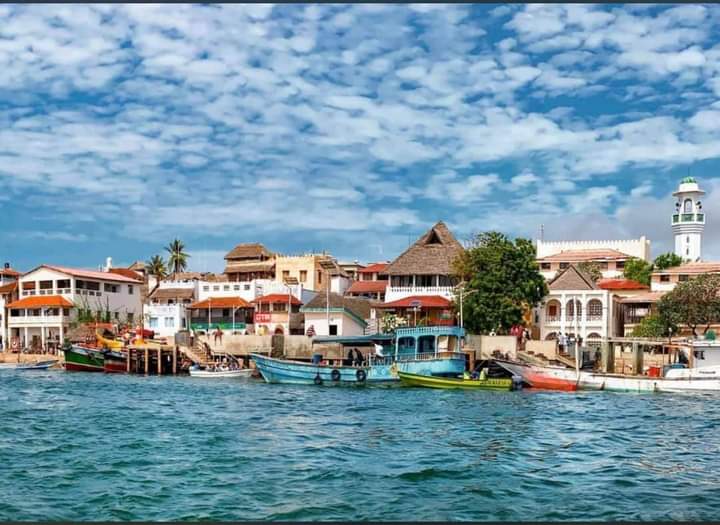
Lamu Old Town
The cultural core: dense coral-stone lanes, waterfront life, markets, mosques and the fort. Stay here for the museums and daily rhythm, not for a beach holiday.
first-timershistory loversphotographerssolo travelers
Explore Lamu Old Town 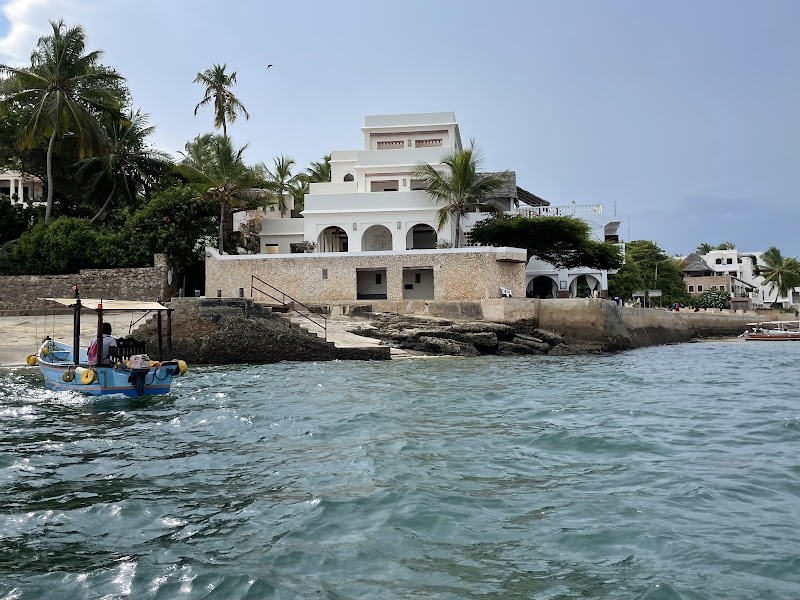 2
Shela
Base · 2–4 nights
The best all-round base combines a serious dune-backed beach with easy access to Old Town by boat or beach walk. It is the practical choice for travelers who want both beach time and Lamu’s cultural side.
first-timerscouplesswimmers
 3
Kizingoni
Base · 3 nights
A quieter southern-western stretch beyond Shela, with empty sand, dark skies and lodge-or-villa seclusion. Come prepared to trade restaurant choice and spontaneity for proper downtime.
honeymoonersfamiliesprivacy seekers
 4
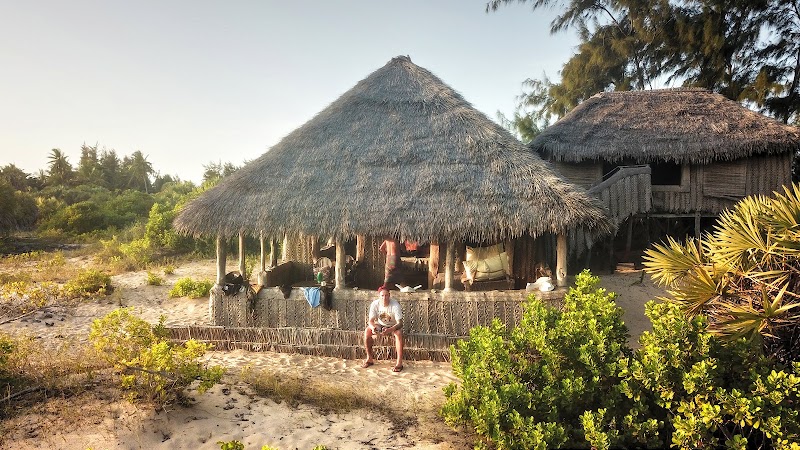
Kipungani and Matondoni
Base · 4 nights
The remote western end of Lamu Island: fishing-village country and nearly empty beach, best reached by pre-arranged boat. This is for doing very little well, rather than using it as a sightseeing base.
repeat visitorsprivacy seekersbeach walkers
 5
Manda Island
Base · 4–6 nights
Opposite Lamu Town, Manda holds the airport, mangroves and a handful of private lodges. It works for a self-contained retreat or an easy airport transfer, but not as a substitute for staying in Old Town.
high-end travelersfamiliesvilla groups
 6
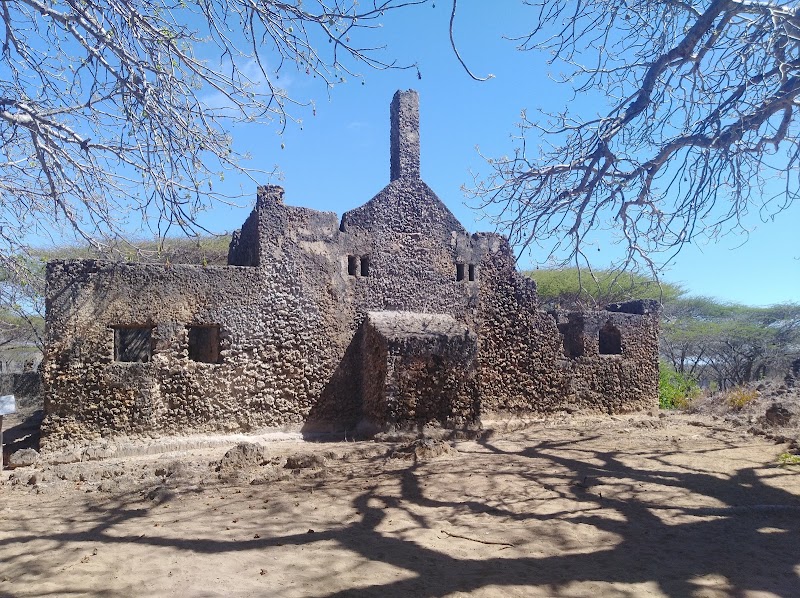
Takwa Ruins
Short stop · 1 day
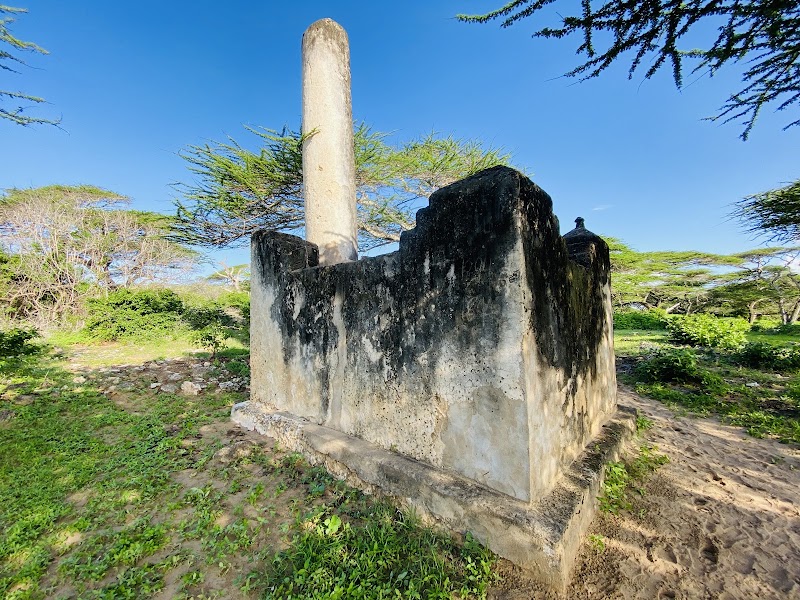
A tide-timed half-day boat trip through mangrove channels to the remains of a 15th–16th-century Swahili settlement. Go for the mosque, wells, coral-stone ruins and the journey itself; interpretation is light.
history loversarchaeology fansfirst-time visitors
Don't miss
1
Lamu Fort
The early-19th-century fort is one of Lamu Town's clearest historic anchors and now serves as a cultural venue as well as a landmark. It is a short visit, but worth entering for the scale of the courtyard and to orient yourself in the center of town.
2
Takwa Ruins
These atmospheric remains of a 15th- to 17th-century Swahili settlement on Manda Island are the archipelago's most compelling archaeological outing. Go with a guide or knowledgeable boat captain, who can make sense of the mosque, tombs, town layout, and the reasons the settlement was abandoned.
3
Shela Beach
The long dune-backed beach at Shela is Lamu's essential beach counterpoint to the dense historic town. Walk there from Lamu Town or arrive by dhow, then allow time for swimming, the waterfront, and the village's slower pace.
4
Lamu (Island)
Lamu Island is the lived-in setting that ties together the UNESCO town, Shela, dhow-filled channels, and car-free island travel. Do not treat it as a pin to tick off: give it time for walks between Lamu Town and Shela and for the pace of travel by foot and boat.
5
Lamu Old Town
The UNESCO-listed old town is the defining reason to come: a dense, car-free Swahili settlement of coral-stone houses, carved doors, mosques, markets, donkeys, and seafront life. Explore without a rigid route, but a first walk with a local guide helps distinguish living religious and residential spaces from photogenic backdrops.
Getting your bearings
Pins are the top attractions, ranked by the corner badge — click one for details.
The mental map
Treat Lamu Old Town and Shela as the workable core: Old Town is for heritage, markets and street life; Shela is for the beach, dunes and stronger hotel choices. West along Lamu Island, Kizingoni, Kipungani and Matondoni are quiet lodge-and-beach territory rather than sightseeing bases. Manda holds the airport, mangroves and Takwa Ruins, while Pate and Kiwayu may look nearby but are remote, tide-dependent and not sensible default leisure extensions under current security advice.
When to go
January–March is the best bet for dry, hot beach weather; July–September is cooler and more comfortable for walking, though windier on the water. May–June is cheapest but least reliable, while Christmas/New Year is expensive and should be booked well ahead. Avoid treating rain-season boat excursions as fixed-date commitments: tides, wind and showers decide more than the timetable.
Pacing a visit
For a first visit, base yourself in Shela or Lamu Old Town for 4–6 nights; they are close enough to function as one destination, linked by a roughly 15-minute boat ride or a 45-minute beach walk when conditions allow. Three nights is a quick introduction, while 7–10 nights permits a town/beach split and perhaps a remote west-coast lodge without turning the trip into transfers. Every arrival via Manda Airport requires a boat crossing, and distances beyond the core are slower than the map suggests.
Getting in
LAUManda Airport, Manda Island
This is the only practical arrival point for the Lamu leisure circuit. It is reached by scheduled domestic flights, usually from Nairobi; every arrival then needs a pre-arranged boat transfer to Lamu Town or Shela, typically 15–30 minutes to Lamu Town.
Flights and transfers into LamuNBONairobi Jomo Kenyatta International Airport
Kenya’s main international gateway. Most overseas visitors connect onward to Manda via Nairobi, often changing airports or continuing to Wilson for domestic services.
Flights and transfers into NairobiWILNairobi Wilson Airport
The useful Nairobi domestic-flight hub for scheduled flights to Manda. Build in a proper buffer if arriving internationally at JKIA: Nairobi traffic and an airport transfer can easily disrupt a tight connection.
Flights and transfers into Nairobi
Before you go
Questions worth settling
How many days should I spend in Lamu?
Plan 4–6 nights for a first visit, based in Shela or Lamu Old Town. Three nights is enough for a quick introduction; 7–10 nights works if you want to split town and beach time or add a quiet stay in Kizingoni or Kipungani and Matondoni.
Should I stay in Shela or Lamu Old Town?
Choose Shela for the dune-backed beach, boutique hotels and an easy balance of swimming and culture. Choose Lamu Old Town for markets, heritage, museums and daily street life; the two are linked by a roughly 15-minute boat ride or, when conditions allow, a 45-minute beach walk.
Which other parts of the archipelago are worth combining with Lamu Town or Shela?
For a relaxed extension, consider Kizingoni or Kipungani and Matondoni on Lamu Island, but treat them as secluded lodge-and-beach stays requiring pre-arranged boat transfers. Takwa Ruins on Manda Island is a worthwhile tide-timed half-day trip; do not treat Pate, Kiwayu or the mainland as casual leisure day trips under current security guidance.
Do I need a visa or travel authorisation for Kenya?
Most non-exempt foreign visitors generally need to obtain a Kenyan electronic travel authorisation (eTA) before travel. Requirements and exemptions depend on nationality, so check Kenya’s official eTA or immigration channels before booking flights.
How do I get to Lamu and get around once there?
Fly to Manda Airport (LAU), usually via Nairobi, then take a pre-arranged boat transfer to Lamu Town or Shela; there is no bridge from the airport. Around the core, travel is on foot, by donkey or boat—there are no rental cars—and remote areas depend on tides, wind and boat arrangements.
When is the best time to visit Lamu?
January–March is best for hot, mostly dry beach weather, calmer seas and dhow trips, while July–September is cooler and better for walking around Lamu Old Town but can be windier on the water. May–June is the wettest and least reliable period; Christmas and New Year are busy and expensive.
What should I book ahead?
Book your Manda Airport boat transfer with your hotel before flying, especially if staying in Shela, Kizingoni, Kipungani and Matondoni, or on Manda Island. Reserve accommodation, flights and transfers well ahead for Christmas/New Year, the Lamu Cultural Festival and Maulidi, when rooms and boats can tighten substantially.
Known for
- UNESCO-listed Lamu Old Town, East Africa’s best-preserved Swahili settlement
- Swahili architecture: coral-and-mangrove houses, carved doors, mosques and narrow lanes
- Shela’s dune-backed beach and boutique hotels
- Dhow sailing, mangrove channels and tide-led boat travel
- Donkeys, coastal coconut cuisine and Arabic-influenced coffee
