- Pace
- Give the urban core at least four full days, or five to eight nights if you want room for museums, food, shopping and an unhurried pace. Use one central hotel base: Ueno/Asakusa suits east Tokyo, Shinjuku/Shibuya suits the west, and Tokyo Station/Ginza is best for balanced access and rail day trips; changing hotels between wards wastes time when cross-city trips already take 30–60 minutes each way. Add separate full days for Kichijoji/Mitaka, Mt. Takao or Okutama—about two hours from central Tokyo—and move accommodation for islands: even nearby Izu islands need at least two nights, while Ogasawara is dictated by its 24-hour ferry and deserves a dedicated trip.
- When to go
- Late March to May and late October to November are Tokyo’s best all-round windows: comfortable walking weather, strong park and garden seasons, and manageable humidity. For value and city-focused trips, choose January–February or early December—cold but usually bright and dry—while avoiding the New Year closure period. Summer is for festivals, night life and Izu-island beaches rather than relentless sightseeing: June–mid-July is wet and humid, while late July–September brings serious heat, typhoons and transport risk for islands.
- Daily budget
- ¥28,000–¥50,000
Tokyo Prefecture is not one city break but a vast administrative region: the hyperconnected 23 wards, suburban and mountain Tama to the west, and Izu and Ogasawara island chains stretching deep into the Pacific. For a first visit, it is the world’s most navigable big city—old Edo streets, temples, museums, serious food, shopping, nightlife and pop culture compressed into rail-linked neighborhoods—plus easy escapes to Mt. Takao and, with more time, real mountain country. The islands are not a spare-day add-on; they are separate, weather-dependent holidays with their own transport logic.
Known for
- Extreme urban density, rail convenience and neighborhood variety
- Edo-era temples, shrines and old-town streets embedded in modern life
- Exceptional eating at every price, from counter meals to destination dining
- Anime, design, fashion, music and pop-culture scenes
- Nightlife, shopping and late-running city energy
- Mountains, volcanoes, beaches and remote subtropical islands within the prefecture
Where to go
 1
1Base · 1–2 days
Asakusa, Ueno, Yanesen and Ryogoku
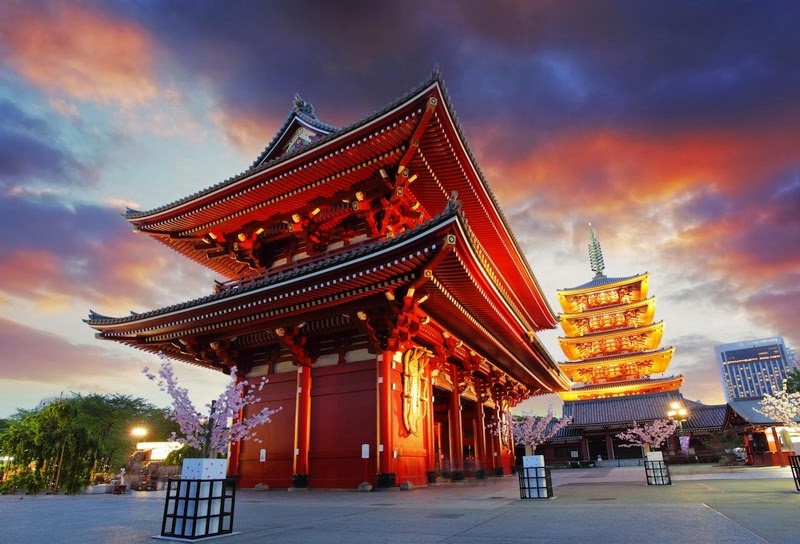
The strongest introduction to old Tokyo: Sensō-ji, Ueno’s museums and market streets, Yanesen’s quieter lanes, and sumo-country Ryogoku. Start early in Asakusa or go after dark; midday crowds are punishing.
first-timersfamilieshistory loversmuseum-goers
Explore Asakusa, Ueno, Yanesen and Ryogoku 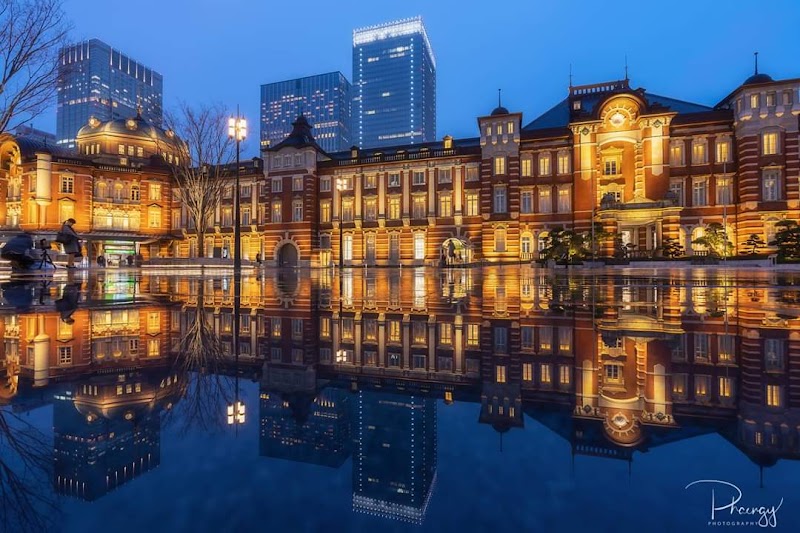 2
2Tokyo Station, Marunouchi, Nihonbashi, Ginza and Tsukiji
Short stop · 1–1.5 days
A compact central circuit for Imperial Palace gardens, polished architecture, serious department-store food halls, Ginza, and Tsukiji eating. It is the most efficient base if rail day trips matter more than neighborhood character.
first-timersfoodiesdesign shoppers
 3
3Shinjuku, Shibuya, Harajuku and Omotesando
Base · 1.5–3 days
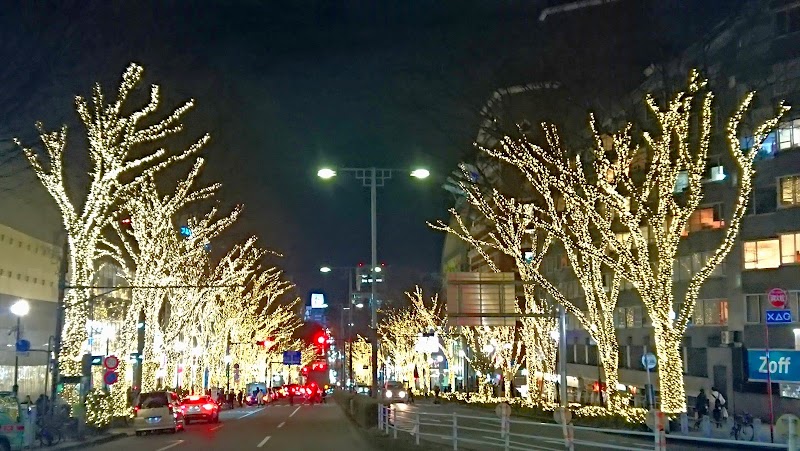
This is contemporary Tokyo at maximum volume: huge stations, neon, late dinners, fashion, Meiji Jingu and nightlife. Base here for easy western-Tokyo connections, but do not mistake Shibuya Crossing for a full-day attraction.
first-timersnightlife loversshoppers
 4
4Ebisu, Daikanyama, Nakameguro, Shimokitazawa and Koenji
Short stop · 1 day
Come for record bars, vintage shops, independent restaurants and neighborhoods that feel lived in rather than staged. Shimokitazawa is best for music and thrift; Koenji is rougher around the edges and more interesting for it.
repeat visitorsmusic fansvintage shoppers
 5
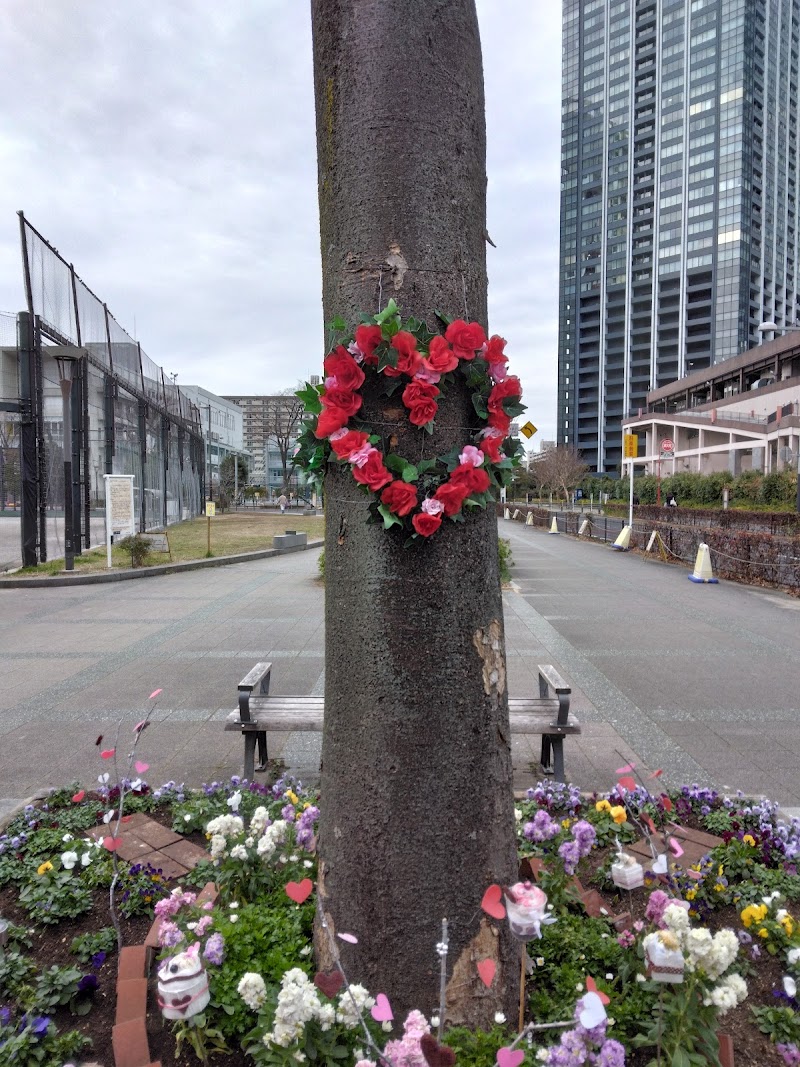
5Toyosu, Odaiba, Tsukishima and Fukagawa
Short stop · 1 day
A useful bay-side day pairs Toyosu’s market and digital art with Tsukishima monjayaki or calmer, old-waterfront Fukagawa. Odaiba works for families and architecture buffs, but its malls are no substitute for traditional Tokyo.
familiesfoodiescontemporary-art visitors
 6
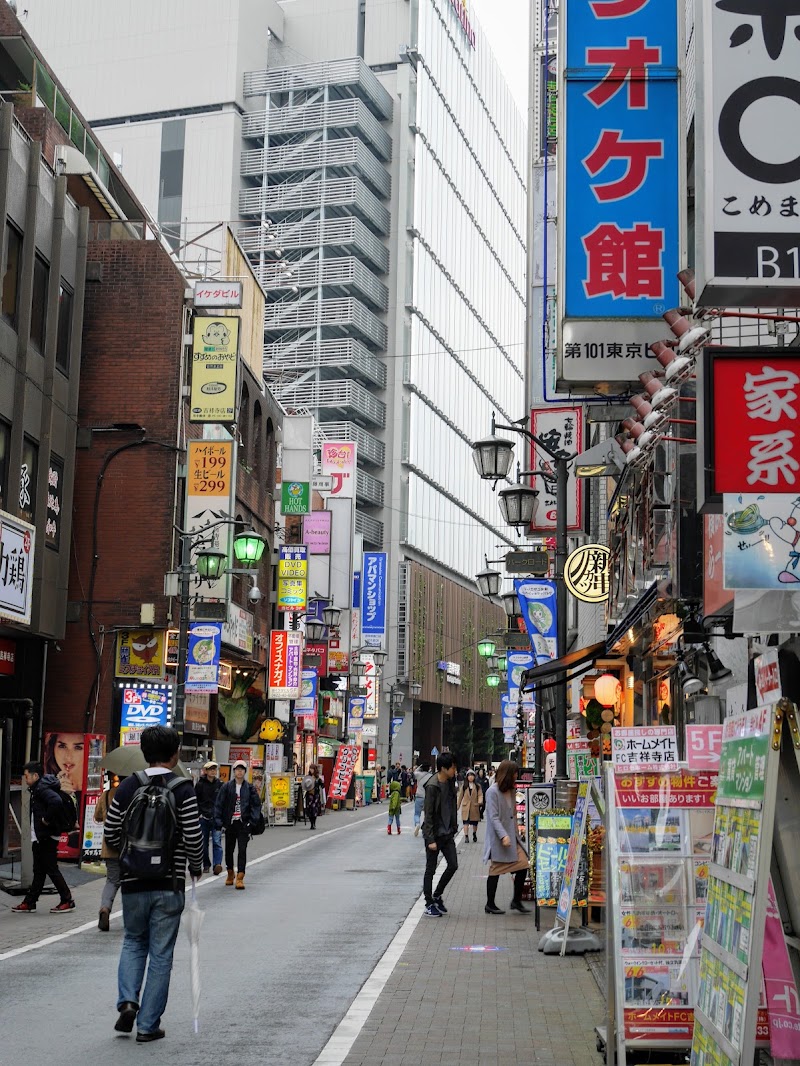
6Kichijoji and Mitaka
Short stop · 1 day
An easy day trip for Inokashira Park, small shops, Harmonica Yokocho and the Ghibli Museum in Mitaka. It is worth a full day with museum tickets; without them, treat it as a relaxed half-day rather than a Tokyo essential.
Studio Ghibli fansfamiliespark lovers
 7
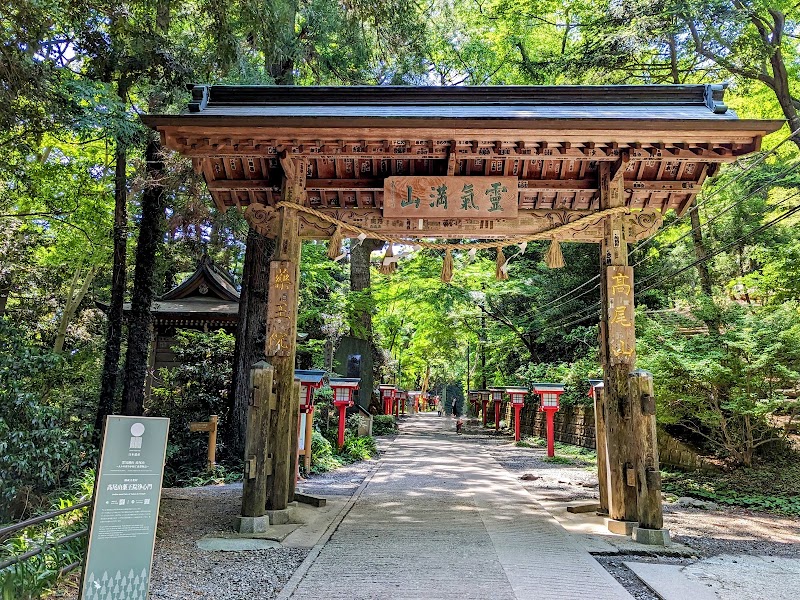
7Hachioji and Mt. Takao
Short stop · 1 day
Tokyo’s most practical mountain escape combines proper walking trails, Yakuoin temple, summit views and an onsen finish. Go on a weekday or start early: foliage weekends feel like a commuter crowd moved uphill.
first-time hikersfamiliesfall foliage trips
 8
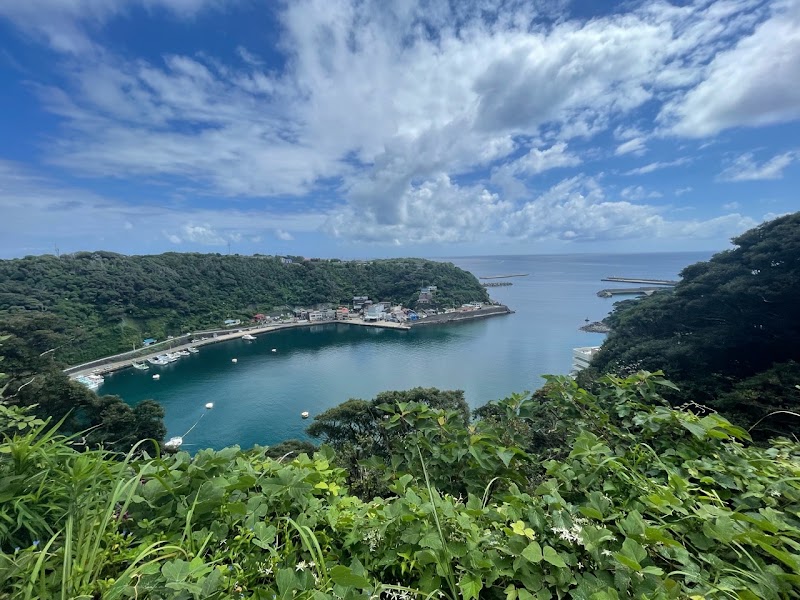
8Okutama, Ome and Hinohara
Base · 2–3 nights
This is real mountain Tokyo: river valleys, forest hikes, limestone caves, canyoning and hot springs rather than a manicured city park. Give it an overnight for a serious hike; the long rail ride makes a rushed day trip feel thin.
hikersoutdoor travelerssummer swimmers
 9
9Izu Ōshima
Base · 2–3 nights
The best first Tokyo island for a long weekend, with Mt. Mihara’s volcanic terrain, black-sand coast, camellias and onsen. Plan around ferries and weather rather than assuming transport will behave like city rail.
hikersgeology enthusiastscouples
 10
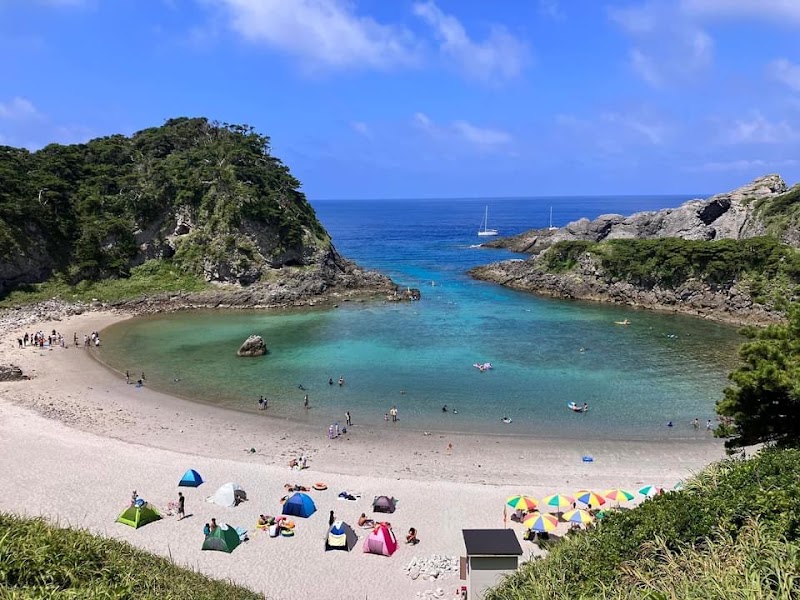
10Niijima and Shikinejima
Pair Niijima’s surf-and-beach feel with Shikinejima’s quiet coves, bicycles and outdoor hot springs. This is a warm-weather trip with limited rooms and schedule-led ferry logistics, not a spontaneous city break.
beach travelersswimmerssurfers
 11
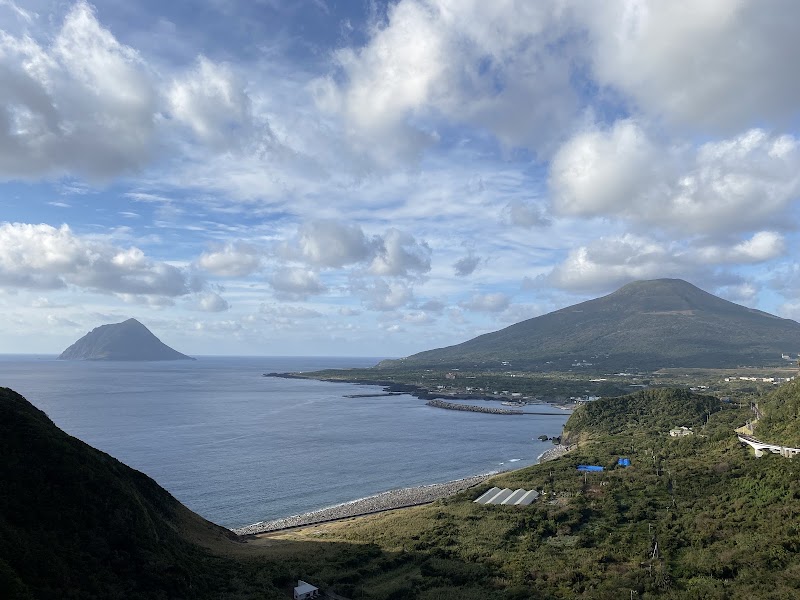
11Hachijojima and Aogashima
Hachijojima is the substantive subtropical island holiday: diving, hikes, onsen and lush scenery, with better infrastructure than its tiny neighbor. Treat Aogashima as an ambitious add-on only if you can absorb weather cancellations and missed connections.
diversphotographersadventurous couples
 12
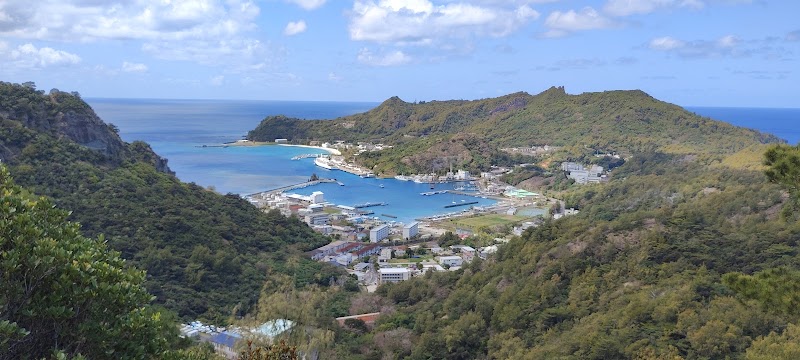
12Chichijima and Hahajima, Ogasawara
Base · 9–48 days
Tokyo’s far-Pacific outlier is for whale and dolphin trips, diving, endemic nature and genuine remoteness; Chichijima is the working base and Hahajima is quieter. The 24-hour ferry and infrequent schedule make this a dedicated trip, never a quick Tokyo add-on.
diverswildlife travelersserious island lovers
Don't miss
1
Shibuya SkyTokyo (東京 Tōkyō)
This is Tokyo’s most cinematic rooftop viewpoint: open air, low visual barriers, and a direct look over Shibuya Crossing toward the western skyline. It is particularly worthwhile at late afternoon, but build in time for timed entry and weather-related rooftop closures.
2
Meiji JinguTokyo (東京 Tōkyō)
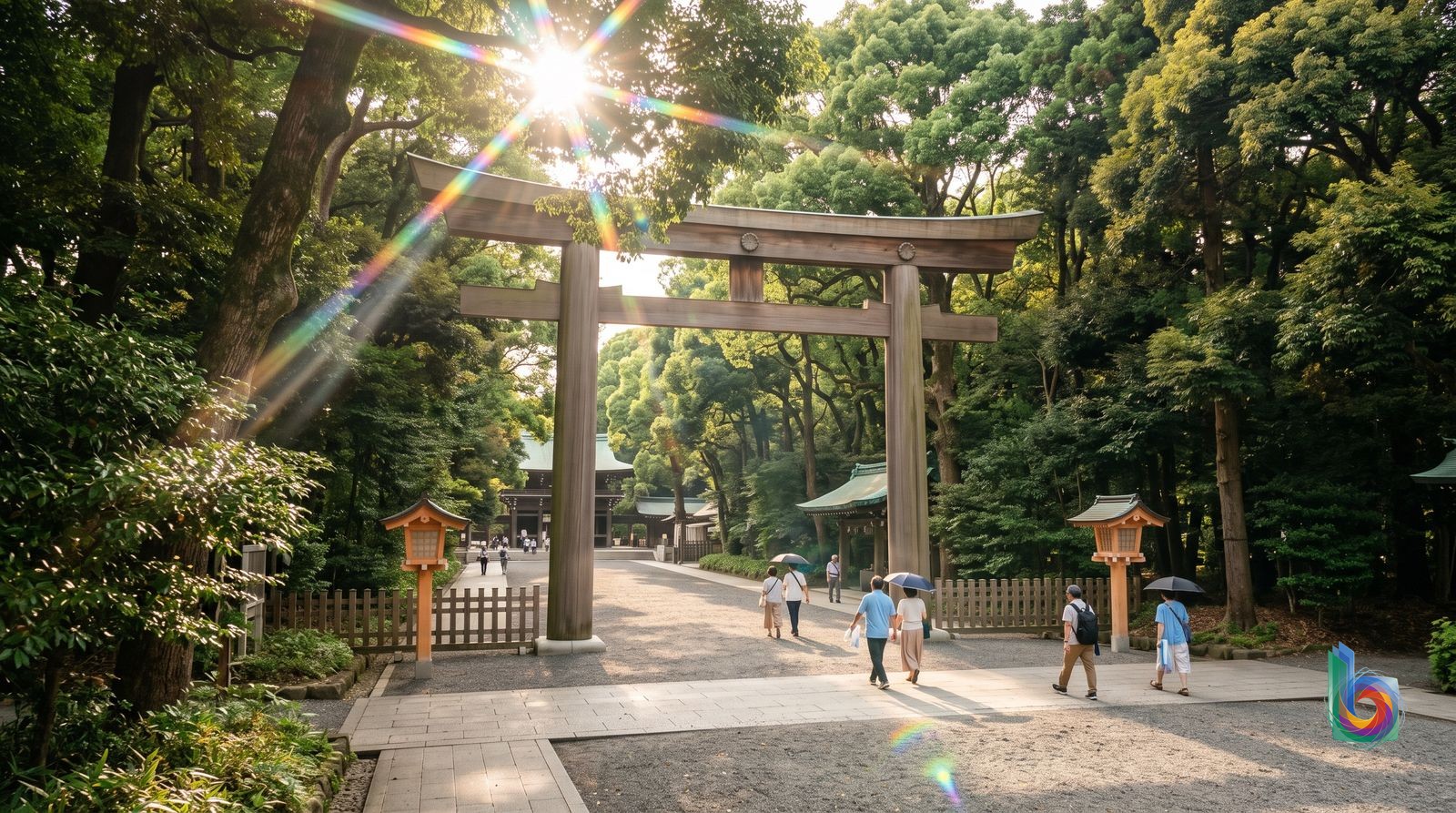
Meiji Jingu offers a striking reset from Harajuku and Shibuya: a long forested approach, major Shinto rituals, and a sense of ceremonial Tokyo. Go early, then walk south into Harajuku or onward to Shibuya.
3
Sensō-jiTokyo (東京 Tōkyō)
Sensō-ji is Tokyo’s essential old-city temple experience, combining the Kaminarimon gate, incense-filled main hall, and the busy approach through Nakamise. It is more atmospheric at dawn or after dark, when the day-trip crowds thin and the grounds remain lit.
4
Shibuya Scramble CrossingTokyo (東京 Tōkyō)
The crossing is Tokyo’s shorthand for organized urban intensity, and it is best experienced by simply crossing it rather than paying for an elaborate viewing setup. Combine a street-level pass with Shibuya Sky for the contrasting overhead view.
5
Tokyo National MuseumTokyo (東京 Tōkyō)
Japan’s oldest and largest museum is the most efficient place to encounter the country’s art, archaeology, Buddhist sculpture, armor, and ceramics in one stop. Focus on the Honkan’s Japanese galleries unless you have several hours, then use Ueno Park as your break between collections.
Getting your bearings
Numbers match the places above; small dots are the headline sights.
The mental map
Slice Tokyo into east/old Tokyo; central and bay Tokyo; west/modern Tokyo; western Tama; and the islands. East means Asakusa, Ueno and Ryogoku; central/bay covers Tokyo Station, Ginza, Tsukiji, Toyosu and Odaiba; west is Shinjuku, Shibuya and the smaller lived-in neighborhoods beyond them. Tama starts with easy Kichijoji/Mitaka and Mt. Takao, then becomes proper mountain country around Okutama; Izu and Ogasawara require separate planning rather than being folded into a city itinerary.
When to go
Late March to May and late October to November are Tokyo’s best all-round windows: comfortable walking weather, strong park and garden seasons, and manageable humidity. For value and city-focused trips, choose January–February or early December—cold but usually bright and dry—while avoiding the New Year closure period. Summer is for festivals, night life and Izu-island beaches rather than relentless sightseeing: June–mid-July is wet and humid, while late July–September brings serious heat, typhoons and transport risk for islands.
Pacing a visit
Give the urban core at least four full days, or five to eight nights if you want room for museums, food, shopping and an unhurried pace. Use one central hotel base: Ueno/Asakusa suits east Tokyo, Shinjuku/Shibuya suits the west, and Tokyo Station/Ginza is best for balanced access and rail day trips; changing hotels between wards wastes time when cross-city trips already take 30–60 minutes each way. Add separate full days for Kichijoji/Mitaka, Mt. Takao or Okutama—about two hours from central Tokyo—and move accommodation for islands: even nearby Izu islands need at least two nights, while Ogasawara is dictated by its 24-hour ferry and deserves a dedicated trip.
Book before you land
Ghibli Museum, Mitaka — timed tickets are limited and often sell out as soon as the relevant sales window opens. · Tokyo Grand Sumo Tournament, Ryogoku — January, May and September tournaments; desirable seats sell quickly. · teamLab Planets, Toyosu — reserve timed entry for weekends, holidays and peak travel periods. · Tokyo Disney Resort — date-specific tickets can sell out on weekends, school holidays and peak seasons. · Ogasawara-maru ferry to Chichijima, plus Chichijima/Hahajima accommodation — secure both well ahead, especially in peak season. · Minamijima guided visit from Chichijima — daily visitor numbers are capped and a licensed guide is required.
Getting in
HNDTokyo Haneda Airport
The airport to prefer for Tokyo itself: it is close to the urban core, with direct rail or bus links to major bases such as Shinjuku, Shibuya, Tokyo Station, Ueno and Asakusa. It is also the practical airport for flights to Hachijojima.
Flights and transfers into TokyoNRTNarita International Airport
Tokyo’s main long-haul gateway, usually with more international flight choices but farther out. Narita Express serves Tokyo Station and Shinjuku; Keisei Skyliner is the fast option for Ueno and Asakusa-side bases.
Flights and transfers into NaritaTokyo Station
The principal rail gateway for arrivals from Kyoto, Osaka, Nagoya and northern Japan via Shinkansen. It is the most convenient city base if you will make several intercity rail trips, though not necessarily the most atmospheric neighborhood to stay in.
Flights and transfers into TokyoTakeshiba Passenger Ship Terminal
The city departure point for most Izu-island ferries and jetfoils, including Ōshima, Niijima and Shikinejima. Treat sailing times as weather-dependent and return to mainland Tokyo before a nonrefundable international flight.
Takeshiba/Ogasawara ferry departure
The Ogasawara-maru departs Tokyo for Chichijima; the crossing takes about 24 hours and the schedule, not distance, determines the trip. Reserve ferry space and island lodging together before committing to Ogasawara.
Before you go
Questions worth settling
How many days do I need for a first trip to Tokyo Prefecture?
Allow at least four full days for the urban core; five to eight nights is better if you want museums, food, shopping and neighborhoods without rushing. Add separate full days for Kichijoji and Mitaka, Mt. Takao, or Okutama, and treat the Izu and Ogasawara islands as separate trips rather than spare-day excursions.
Where should I stay in Tokyo for a first visit?
Use one hotel base rather than changing wards: Ueno or Asakusa works best for east Tokyo, while Shinjuku or Shibuya suits western Tokyo, nightlife and shopping. Tokyo Station or Ginza is the most balanced choice for city access and Shinkansen day trips, though it is less neighborhood-focused.
Which Tokyo neighborhoods and day trips combine well?
Pair Asakusa, Ueno, Yanesen and Ryogoku for old Tokyo, temples, museums and sumo; combine Tokyo Station, Ginza, Tsukiji and Toyosu for central Tokyo, food and contemporary attractions. Kichijoji and Mitaka make an easy park-and-Ghibli Museum day, while Hachioji and Mt. Takao are a practical mountain day trip; give Okutama an overnight if you want a serious hike.
Do I need a visa to visit Japan?
Citizens of many countries, including the US, Canada, UK, EU states, Australia and New Zealand, can usually enter visa-free for a short stay, while other nationalities may need a visa or eVisa. Confirm the current requirements and permitted stay length with Japan’s Ministry of Foreign Affairs or your local Japanese embassy before booking.
Is Tokyo easy to get around without a car?
Yes—use IC-card-compatible rail and Metro for the city, and expect most cross-city trips to take 30–60 minutes each way. Do not try to walk between major districts; large stations and wrong exits can add significant time, and avoid rush hour with luggage, especially at Shinjuku.
When is the best time to visit Tokyo Prefecture?
Late March to May and late October to November are the best all-round periods for comfortable walking, parks and hiking. Cherry-blossom weeks, Golden Week, Obon and autumn foliage weekends bring heavier crowds; January–February and early December are good-value city options if you do not mind cold weather.
What should I book ahead?
Reserve Ghibli Museum tickets in Mitaka, Tokyo Grand Sumo Tournament seats in Ryogoku, teamLab Planets in Toyosu, and Tokyo Disney Resort tickets for busy dates. For Chichijima and Hahajima, book the Ogasawara-maru ferry and accommodation together well ahead; island transport is limited and weather-sensitive.
Known for
- Extreme urban density, rail convenience and neighborhood variety
- Edo-era temples, shrines and old-town streets embedded in modern life
- Exceptional eating at every price, from counter meals to destination dining
- Anime, design, fashion, music and pop-culture scenes
- Nightlife, shopping and late-running city energy
- Mountains, volcanoes, beaches and remote subtropical islands within the prefecture

