
Hungary
- Pace
- Give Budapest 3–4 nights, then add one region for 2–4 nights; a good 7–10-day first trip covers two or three bases, not the entire country. Hungary is geographically small but rail is strongly Budapest-radial: Budapest–Eger is about 2 hours, Balatonfüred about 2 hours, Szeged about 2¼ hours, Pécs or Debrecen about 2½–3 hours, and Tokaj roughly 3 hours. A car is valuable when linking wineries, villages, national parks or several Balaton stops, but is more trouble than help in Budapest.
- When to go
- May to mid-June is the easiest all-round first-trip window: green, long-daylit and much less pressured than high summer, though thunderstorms are common. September and October are arguably better for adults focused on wine regions, food and quieter Balaton landscapes. July–August is for swimming and Balaton energy, but also heat, crowds and higher prices; winter works for Budapest baths, museums, cafés and wine bars rather than rural touring.
- Daily budget
- Ft65,000–100,000 per day
Hungary is a compact, landlocked Central European country where Budapest supplies the imperial Danube spectacle and bath culture, but the better trip emerges in the wine regions, provincial cities and flat eastern grasslands beyond it. Come for Ottoman and Habsburg layers, paprika-driven food, serious wine, thermal bathing and a national culture with its own unmistakable language and identity—not for a generic “cheap Eastern Europe” weekend.
Known for
- Budapest’s Parliament, Castle District and Danube panorama
- Thermal baths and spa culture
- Tokaji Aszú and dry Furmint wines
- Goulash, paprika and historic café culture
- Lake Balaton summer holidays
- The Great Plain (puszta), horse culture and Hortobágy
Hungary at a glanceOpen to travelers · petty crime/pickpocketing in tourist areas and transit hubs
Right now
Open to travelers · petty crime/pickpocketing in tourist areas and transit hubs
Check for your passportDestination profile
- Traveler82
- Culture82
- Nature75
- Logistics78
Worth knowing
- Rising nationalism affecting cultural inclusivity
- Petty crime in tourist areas
- Limited public transport in rural areas
- Accessibility issues in some national parks
- Rural internet speed variability
Good to know
- Budapest is a UNESCO World Heritage Site with iconic landmarks like the Parliament and Buda Castle.
- Daily travel costs average €50-70, making it affordable compared to Western Europe.
- The country boasts a vibrant food scene with local specialties and diverse dining options.
- Public transportation in Budapest is efficient and well-connected, enhancing traveler mobility.
Where to go
 1
1Base · 1–4 nights
Budapest
The necessary first stop: Danube views, Buda’s hills, Pest’s grand boulevards, serious food and nightlife, and baths worth choosing carefully rather than collecting. Give it enough time to move beyond the Parliament–Castle checklist.
first-timersarchitecture loversfoodiessolo travelers
Explore Budapest 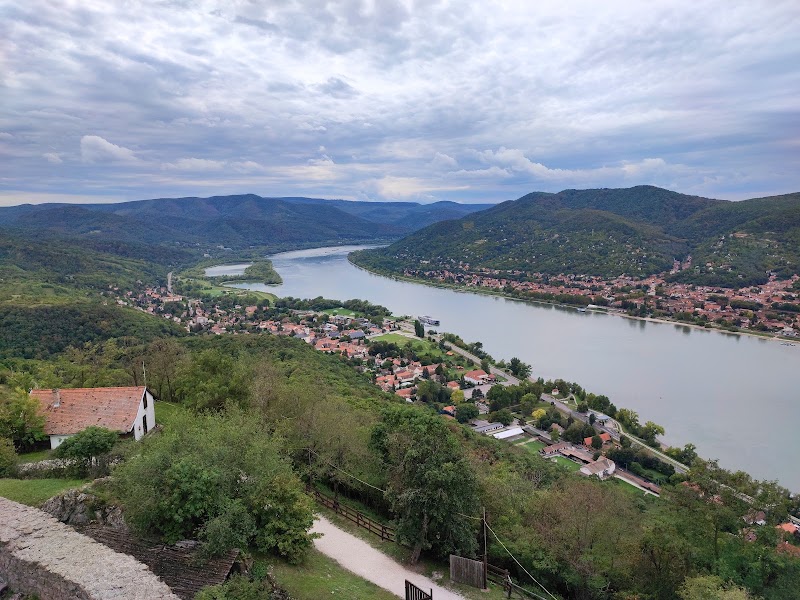 2
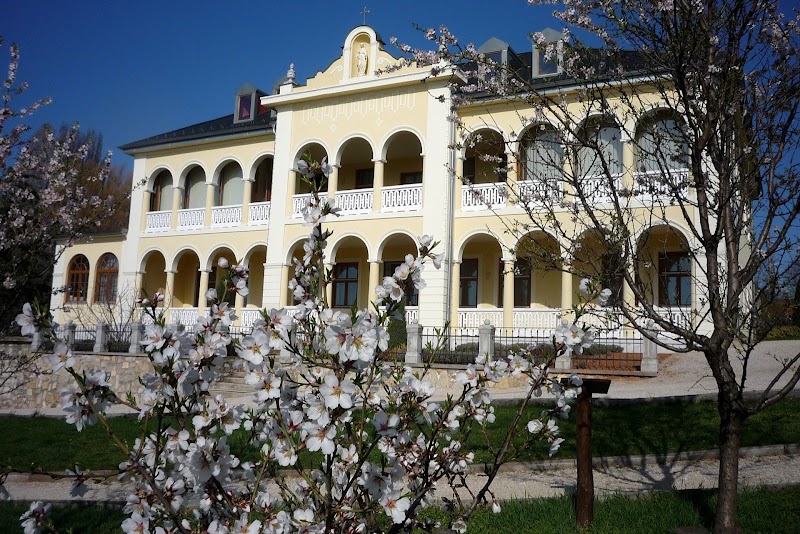
2Danube Bend
Short stop · 1 night
An easy Budapest escape built around Szentendre, Visegrád and Esztergom. Do it as a day trip or one-night pause for river scenery, the citadel and the basilica—not as three separate hotel changes.
first-timerscyclistshistory lovers
 3
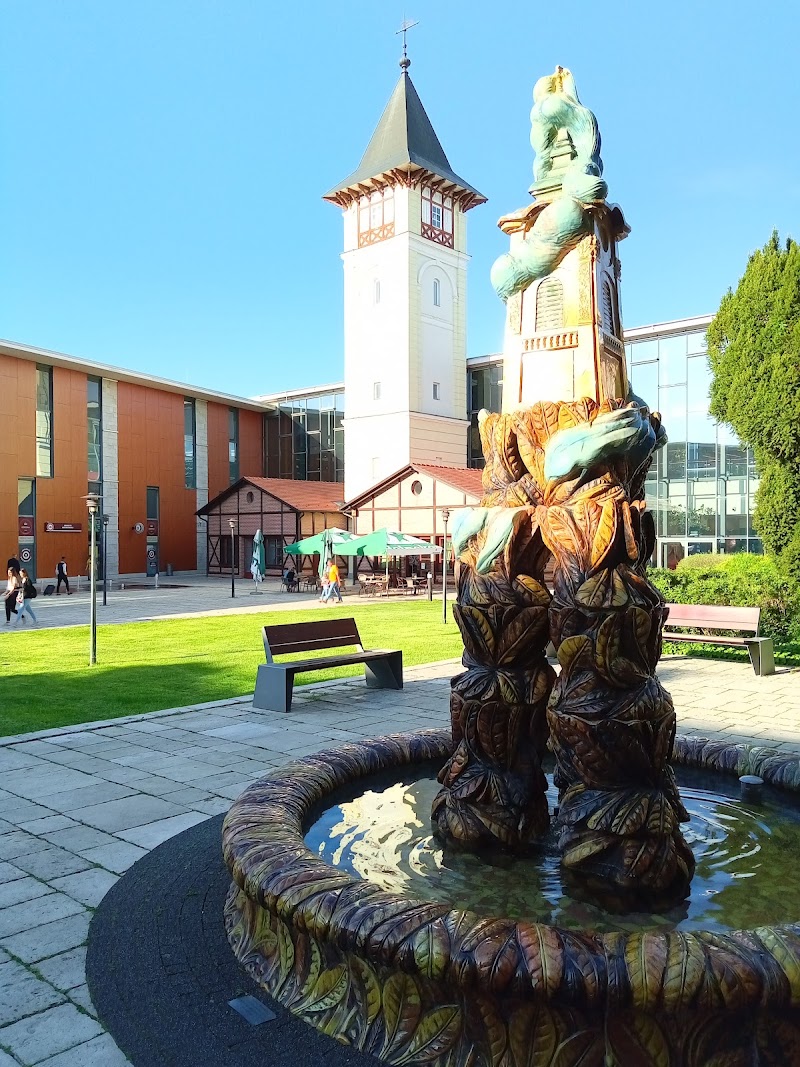
3Lake Balaton and the Balaton Uplands
Base · 2 nights
Hungary’s summer lake country splits sharply: south-shore towns are for shallow-water beaches and family resort energy; the north shore, Tihany, Badacsony and the Káli Basin are for volcanic hills, vineyards and better food. It is far more rewarding with a car once you leave the main rail towns.
summer familiescyclistswine drinkers
 4
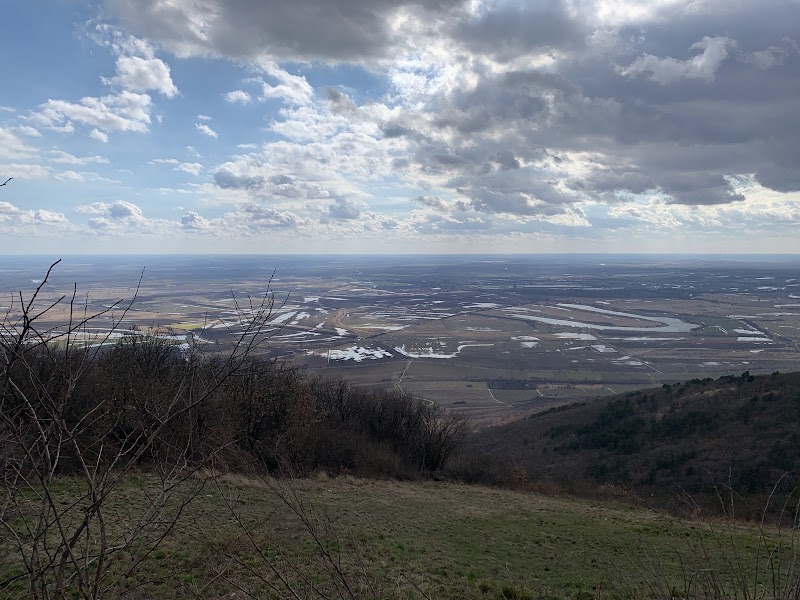
4Eger
Base · 2 nights
A compact baroque city where castle history, a minaret, thermal baths and approachable wine all fit into two unhurried nights. It is Hungary’s easiest regional add-on from Budapest, with the Bükk foothills there if you want a break from urban sightseeing.
first-time regional travelerswine beginnerscouples
 5
5Tokaj-Hegyalja
Base · 3 nights
The country’s most consequential wine landscape, for dry Furmint as much as Tokaji Aszú, with cellar villages including Mád, Tarcal and Erdőbénye. Stay in a wine village rather than assuming Tokaj town is the obvious base; appointments and a car or driver make the trip work.
wine enthusiastsfoodiescouples
 6
6Pécs
Base · 2 nights
A genuinely distinct southern city at the foot of the Mecsek: Ottoman traces, Roman-Christian heritage, galleries and a lively university-town rhythm. It deserves two nights and is too far from Budapest to reduce to a day trip.
architecture loversmuseum travelerscouples
 7
7Villány
Base · 2 nights
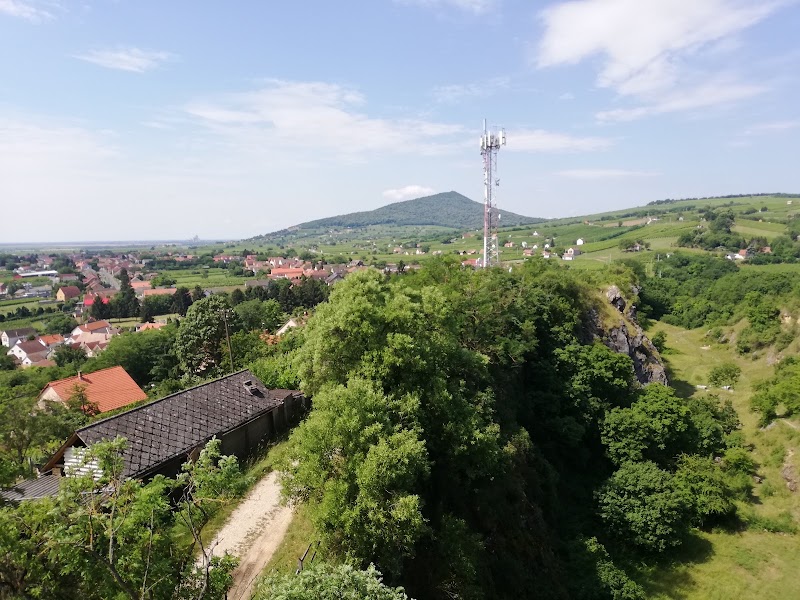
A compact southern wine village focused on cellar-door tastings and Cabernet Franc. Pair it with Pécs, but treat transport seriously: it is much smoother by car, taxi or arranged driver than by improvising after tastings.
wine loverscouplesfood travelers
 8
8Szeged
Base · 2 nights
A sunny Tisza-side university city with broad post-flood boulevards, paprika, fish soup and a noticeably less tourist-scripted feel than Budapest. Come for a relaxed one- or two-night food-and-architecture stop, not a blockbuster sight list.
foodiesarchitecture loversrepeat visitors
 9
9Debrecen, Hortobágy and the Great Plain
Base · 2 nights
This is Hungary at its flattest and most elemental: Debrecen is the practical base, while Hortobágy supplies grassland, birdlife, traditional livestock and immense skies. The landscape is subtle rather than instantly dramatic, and a car changes what is feasible.
nature travelersbirdersphotographers
 10
10Sopron and Lake Fertő
A western-border alternative to the Budapest–Balaton circuit: historic Sopron, Kékfrankos wine, cycling and the understated wetlands of Fertő/Neusiedlersee. It makes most sense as part of a Vienna–Hungary itinerary.
cyclistswine drinkersAustria–Hungary itineraries
 11
11Győr and Pannonhalma
A useful and worthwhile western stop rather than a destination to overextend: baroque Győr breaks the Budapest–Vienna rail journey, while Pannonhalma’s Benedictine abbey, library and vineyards reward a slower overnight. Reaching the abbey is easier by car or taxi from Győr.
rail travelersarchitecture loverssacred-history fans
Don't miss
1
Fisherman's BastionCentral Hungary
This is Budapest's most effective Danube panorama: Parliament fills the view, and the Neo-Romanesque terraces are unusually photogenic even by Buda standards. Use it early in the morning, then continue through the Castle District rather than treating it as a standalone stop.
2
Buda CastleCentral Hungary
The enormous former royal complex is the anchor of Castle Hill, more important for its setting, courtyards and institutions than for a fully preserved palace interior. Walk the grounds and choose one museum inside if it suits your interests; do not try to see every component in one visit.
3
Széchenyi Chain BridgeCentral Hungary
The Chain Bridge is Budapest's essential river crossing and the best short walk for understanding how Buda and Pest face one another. Cross it on foot between the Castle District and Parliament-side Pest, ideally as part of an evening Danube walk.
4
Hungarian Parliament BuildingCentral Hungary
The vast riverside Parliament is Hungary's defining national image, best appreciated both from across the Danube and from its formal interior tour. Book a tour if you want to see the crown and ceremonial rooms; otherwise the exterior and surrounding square still merit a deliberate stop.
5
The Church of Our Lady of Buda CastleCentral Hungary
Usually called Matthias Church, this richly patterned Gothic church is the Castle District's essential interior and a powerful counterpoint to Fisherman's Bastion next door. Its roof and exterior are free to admire, but allow time for the painted interior and small museum.
6
Tihany Peninsula and AbbeyCentral Transdanubia
Tihany combines Lake Balaton's most memorable peninsula views with a historic abbey and a walkable old village. It is the strongest single stop for first-time visitors who want to understand why Balaton matters beyond its beaches.
Getting your bearings
Numbers match the places above; small dots are the headline sights.
The mental map
Think in hub-and-spokes rather than coasts or island circuits. Budapest and the Danube Bend sit at the center; Balaton and western wine country are west, Pécs and Villány south, Eger and Tokaj north/northeast, and Szeged, Debrecen and Hortobágy lie across the Great Plain to the east. The contrasts matter: Balaton is lakeside holiday Hungary, Tokaj and Villány are wine-country Hungary, and the east is open landscape rather than a string of major cities.
When to go
May to mid-June is the easiest all-round first-trip window: green, long-daylit and much less pressured than high summer, though thunderstorms are common. September and October are arguably better for adults focused on wine regions, food and quieter Balaton landscapes. July–August is for swimming and Balaton energy, but also heat, crowds and higher prices; winter works for Budapest baths, museums, cafés and wine bars rather than rural touring.
Pacing a visit
Give Budapest 3–4 nights, then add one region for 2–4 nights; a good 7–10-day first trip covers two or three bases, not the entire country. Hungary is geographically small but rail is strongly Budapest-radial: Budapest–Eger is about 2 hours, Balatonfüred about 2 hours, Szeged about 2¼ hours, Pécs or Debrecen about 2½–3 hours, and Tokaj roughly 3 hours. A car is valuable when linking wineries, villages, national parks or several Balaton stops, but is more trouble than help in Budapest.
Book before you land
Hungarian Parliament guided tour in Budapest · High-demand Budapest Opera performances · Sziget Festival tickets and Budapest accommodation during the festival · Major Hungarian Grand Prix tickets and Budapest accommodation during race weekend
Getting in
BUDBudapest Ferenc Liszt International Airport
This is overwhelmingly the gateway that matters, with extensive European links and selected long-haul service. Use the direct 100E Airport Express to central Deák Ferenc tér; use the 200E bus to Ferihegy rail station only when continuing directly by train.
Flights and transfers into BudapestVIEVienna International Airport
A smart open-jaw alternative for western Hungary, especially Sopron, Győr and Pannonhalma. Vienna–Budapest rail links are strong, and arriving via Austria can save backtracking.
DEBDebrecen International Airport
A minor option for eastern Hungary and Hortobágy, but its thin scheduled network should not shape a country-wide itinerary.
Flights and transfers into DebrecenVienna, Bratislava, Prague, Zagreb and Romanian rail corridors
Budapest has useful international rail connections, making overland Central European itineraries practical. Check the live operator planner for engineering works and connection changes.
Where to stay
Hotels in Hungary
Picked from Budapest.
Add dates to see nightly prices.
2


Known for
- Budapest’s Parliament, Castle District and Danube panorama
- Thermal baths and spa culture
- Tokaji Aszú and dry Furmint wines
- Goulash, paprika and historic café culture
- Lake Balaton summer holidays
- The Great Plain (puszta), horse culture and Hortobágy
Hungary at a glanceOpen to travelers · petty crime/pickpocketing in tourist areas and transit hubs
Right now
Open to travelers · petty crime/pickpocketing in tourist areas and transit hubs
Check for your passportDestination profile
- Traveler82
- Culture82
- Nature75
- Logistics78
Worth knowing
- Rising nationalism affecting cultural inclusivity
- Petty crime in tourist areas
- Limited public transport in rural areas
- Accessibility issues in some national parks
- Rural internet speed variability
Good to know
- Budapest is a UNESCO World Heritage Site with iconic landmarks like the Parliament and Buda Castle.
- Daily travel costs average €50-70, making it affordable compared to Western Europe.
- The country boasts a vibrant food scene with local specialties and diverse dining options.
- Public transportation in Budapest is efficient and well-connected, enhancing traveler mobility.
Go deeper
Regions and cities in Hungary
- Bács-Kiskun countyRegion
- Baranya countyRegion
- Bekes CountyRegion
- Borsod-Abauj Zemplen countyRegion
- BudapestRegion
- Csongrád megyeRegion
- Fejér megyeRegion
- Győr-Moson-Sopron megyeRegion
- Hajdú-BiharRegion
- Heves megyeRegion
- Jász-Nagykun-SzolnokRegion
- Komárom-EsztergomRegion
- Nógrád megyeRegion
- Pest megyeRegion
- Somogy megyeRegion
- Szabolcs-Szatmár-BeregRegion
- Tolna megyeRegion
- Vas megyeRegion
- Veszprém megyeRegion
- Zala megyeRegion
BudapestBudapest
DebrecenHajdú-Bihar
SzegedCsongrád
PécsBaranya
GyőrGyőr-Moson-Sopron
KecskemétBács-Kiskun
SzombathelyVas County
SzolnokJász-Nagykun-Szolnok
VeszprémVeszprém