
- Pace
- Do not treat Hessen as a single day-trip region. A first 4–6-day visit can use Frankfurt as one base for the southern belt plus one or two countryside days; with 7–10 days, add either Fulda/Rhön or Kassel, while two weeks justifies moving north and staying near Edersee/Kellerwald. Frankfurt–Kassel takes roughly 1 hour 40 minutes to 2 hours by fast train, and Edersee/Kellerwald is considerably more awkward by public transport; rent a car for the Rhön, Vogelsberg, Odenwald or Edersee.
- When to go
- April–May and September–early October are Hessen’s best all-round windows: comfortable walking weather, workable city-and-country itineraries, and the Bergstraße or Rheingau at their most appealing. Summer is best for the Edersee, hiking and Kassel’s scheduled Bergpark water features, but Frankfurt can be hot and expensive on business weekdays. Winter is for Frankfurt, Wiesbaden, Fulda or Kassel city breaks rather than a broad rural tour; Advent is atmospheric but requires early hotel booking.
- Daily budget
- €190–320
Hessen is a state of sharp contrasts rather than one coherent sightseeing circuit: Frankfurt’s high-rise finance city and transport hub in the south, Wiesbaden and the Rheingau’s spa-and-wine country, then university towns, half-timbered places and increasingly rural low mountains toward Fulda, Kassel and the Edersee. Come for an unusually workable mix of serious city culture, Riesling and cider country, forest walking and smaller historic towns—not for a single postcard-perfect old-world experience.
Known for
- Frankfurt’s skyline, museums and major international air-and-rail hub
- Rheingau Riesling, vineyard villages and Wiesbaden’s spa culture
- Apfelwein, Frankfurter Grüne Soße and Rhine-Main food culture
- Bergpark Wilhelmshöhe in Kassel, including its seasonal water features
- Grimm associations, half-timbered towns and university-city Marburg
- The Rhön, Kellerwald-Edersee and other wooded low-mountain landscapes
Where to go
 1
1Base · 2 days
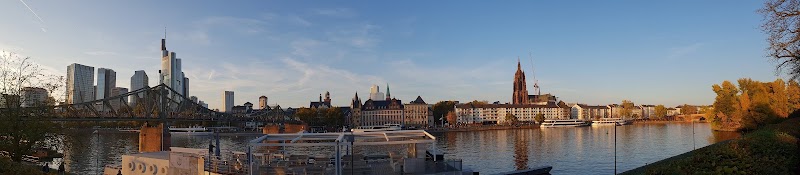
Frankfurt am Main
Hessen’s best arrival point and its most convincing urban stop: serious museums around the Museumsufer, the Städel, cider taverns in Sachsenhausen, a rebuilt old town and a skyline that feels unlike the rest of Germany. Give it at least two nights rather than treating it as an airport layover.
first-timersart loversfoodiesshort breaks
Explore Frankfurt am Main 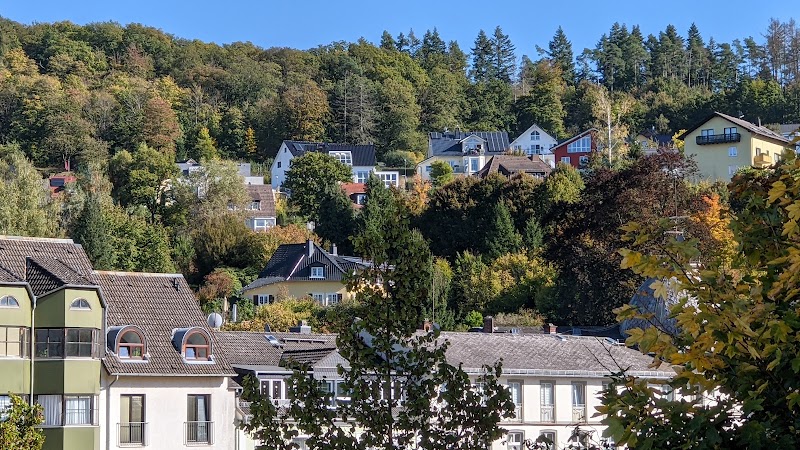 2
2Rheingau
Short stop · 1 day
Hessen’s strongest wine country runs along the Rhine west of Wiesbaden, with Riesling estates, river views and villages such as Eltville, Kiedrich and Oestrich-Winkel. Stay in one of those smaller bases rather than making coach-tour-heavy Rüdesheim your whole experience.
wine drinkerscouplesfoodies
 3
3Wiesbaden
Short stop · 1 day
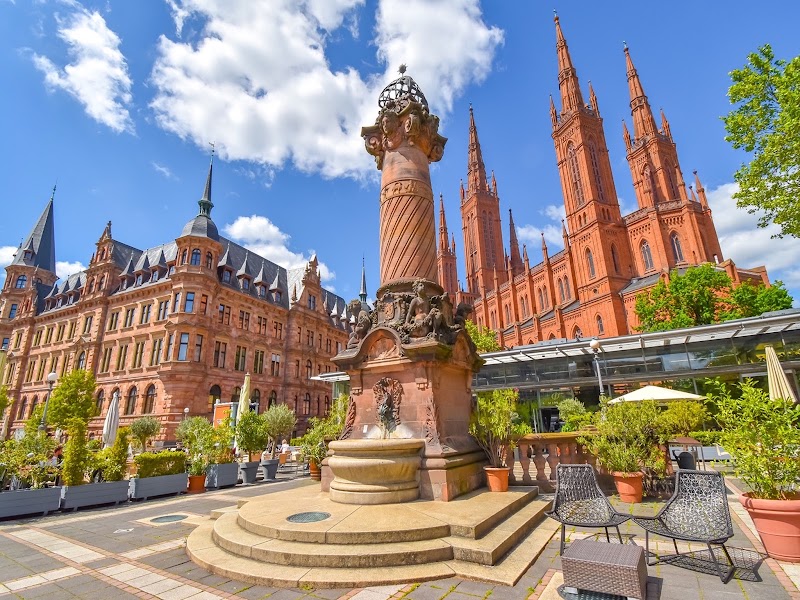
A leafy, grand spa city that makes a calmer counterweight to Frankfurt, with thermal culture, handsome 19th-century streets and immediate access to the Rheingau. It works best as a one- or two-night base for wine country rather than as a checklist city.
spa travelerscoupleswine drinkers
 4
4Darmstadt
Short stop · 1 day
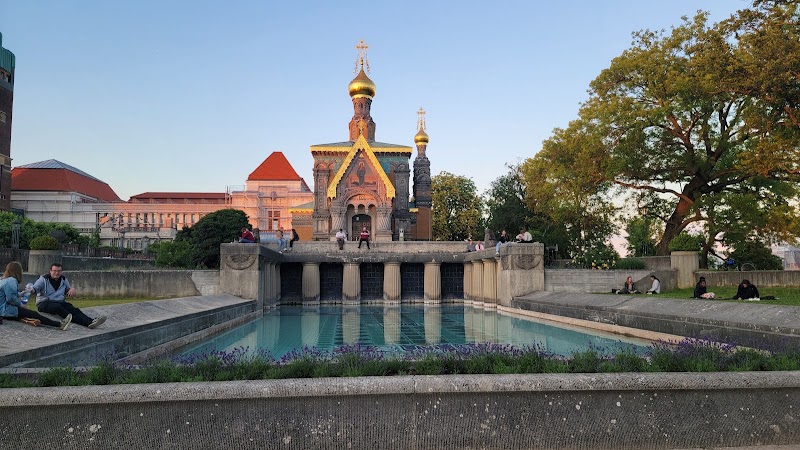
Come for Mathildenhöhe’s Jugendstil architecture and use the city as the practical base for a guided visit to the Messel Pit fossil site. It is an intellectual, design-led stop, not a storybook old-town destination.
architecture loversdesign travelersgeology enthusiasts
 5
5Bergstraße and Odenwald
Base · 1–2 days
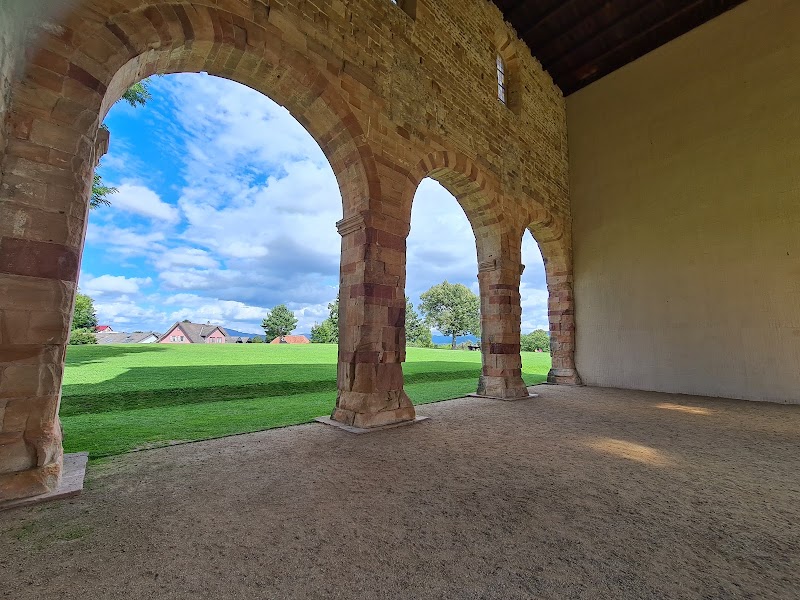
Hessen’s most pastoral southern stretch combines vineyard slopes, orchards, Lorsch Abbey, castles and half-timbered towns around Heppenheim, Bensheim, Michelstadt and Erbach. A car turns this from a frustrating transport puzzle into an excellent one- or two-night segment.
driverswalkerscouples
 6
6Taunus
Short stop · 1 day
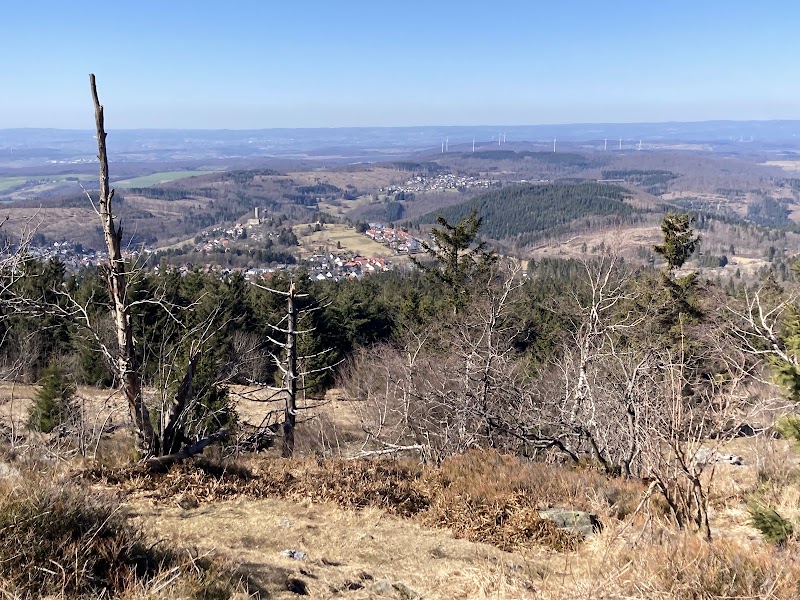
The wooded upland north of Frankfurt and Wiesbaden is the easy escape for forest walks, Roman Limes sites and spa towns such as Bad Homburg. Treat it as a low-effort outdoor day from the Rhine-Main cities, not a major touring base.
hikersfamiliestravelers based in Frankfurt
 7
7Marburg and the Lahntal
Base · 2 days
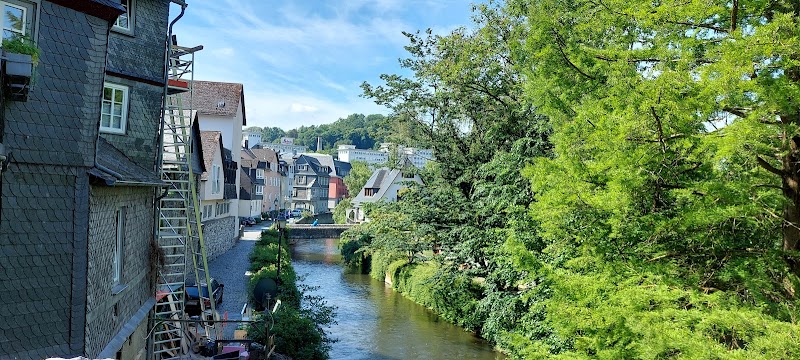
Marburg delivers steep lanes, timber-framed houses, a castle and an unusually lived-in university-town atmosphere rather than museum-piece prettiness. Stay one or two nights, then use the Lahn valley for gentle cycling, canoeing or slow rail travel.
independent travelersphotographerswalkers
 8
8Fulda
Short stop · 1 day
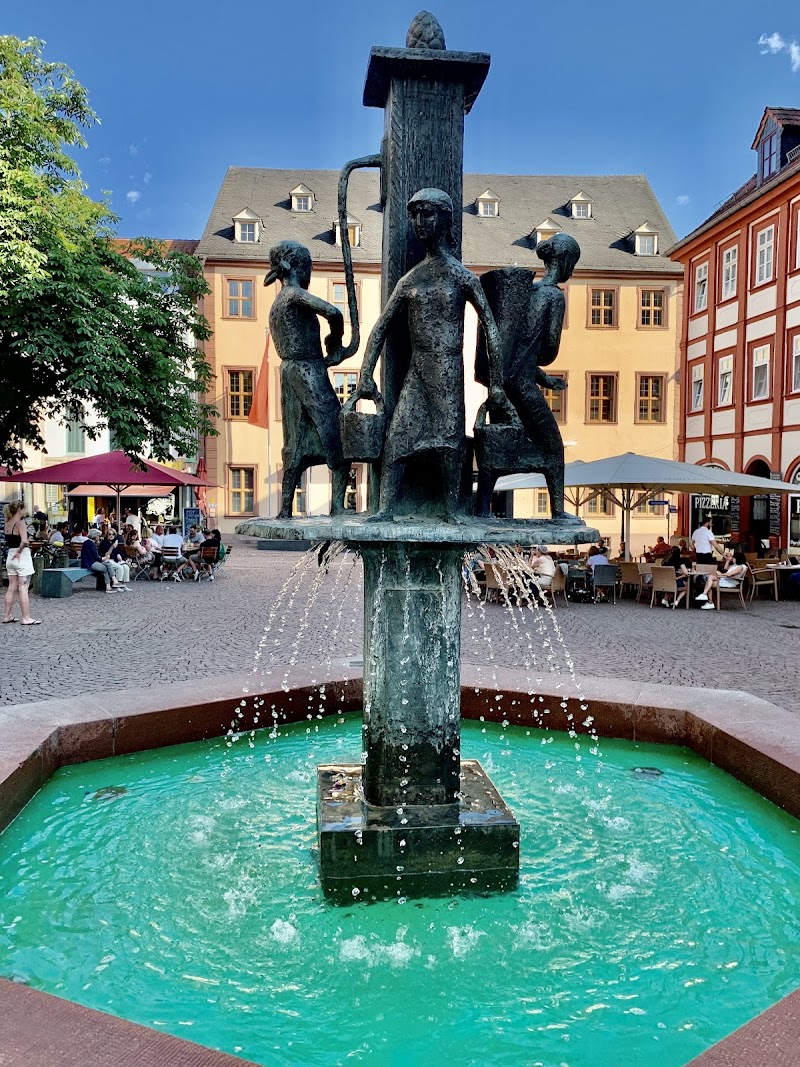
A compact Baroque city with a cathedral and palace district, Fulda is an efficient overnight stop on the main north-south rail route. Its real strategic value is as the sensible base for getting into the Rhön.
rail travelershistory loversroad trippers
 9
9Rhön
Short stop · 1 day
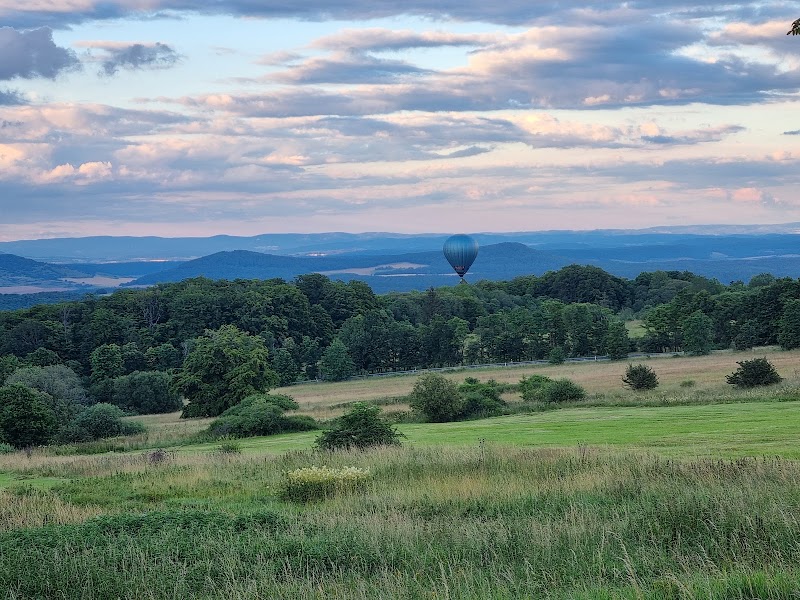
This high, open upland is Hessen’s reset button: broad skies, moorland, dark-sky country and hiking around the Wasserkuppe. It needs a car for an easy visit and rewards travelers who want landscape more than sightseeing density.
hikersfamiliesroad trippers
 10
10Kassel
Base · 2 days
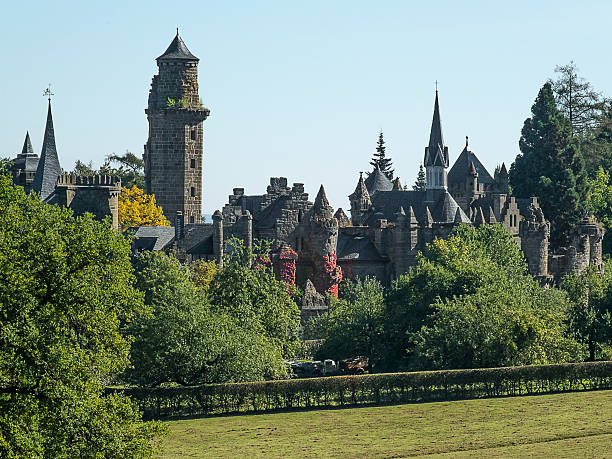
Kassel is worth the northern detour for Bergpark Wilhelmshöhe: Hercules, cascades, Löwenburg and palace collections form one of Germany’s great landscape ensembles. Plan a full day and, in season, schedule around the water-feature days rather than dropping in casually.
art travelerspark loversarchitecture fans
 11
11Edersee and Kellerwald-Edersee National Park
Base · 1–2 days
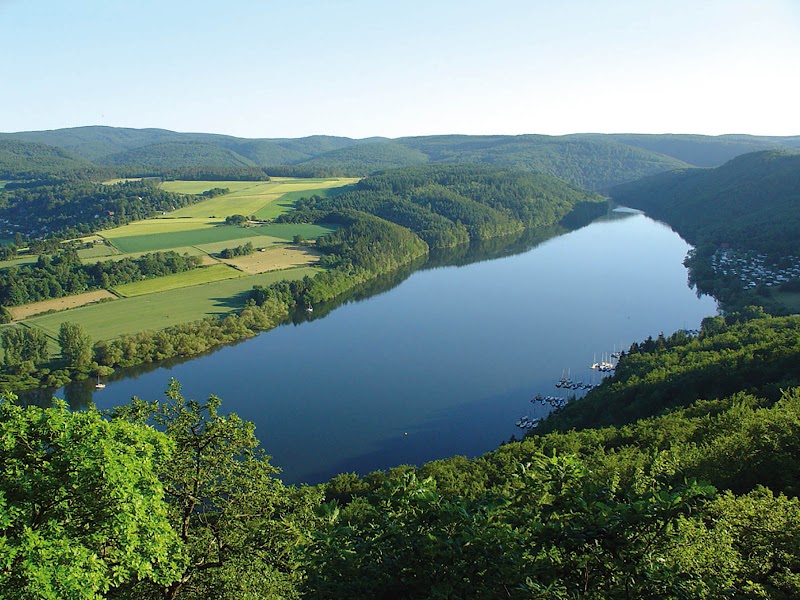
For big beech forest walks, lake swimming, cycling and a quieter side of Hessen, this is the place. Base near Waldeck, Bringhausen or Vöhl and bring a car; the reservoir is too large and buses too thin for spontaneous public-transport exploration.
hikersnature travelersfamilies with a car
 12
12Vogelsberg
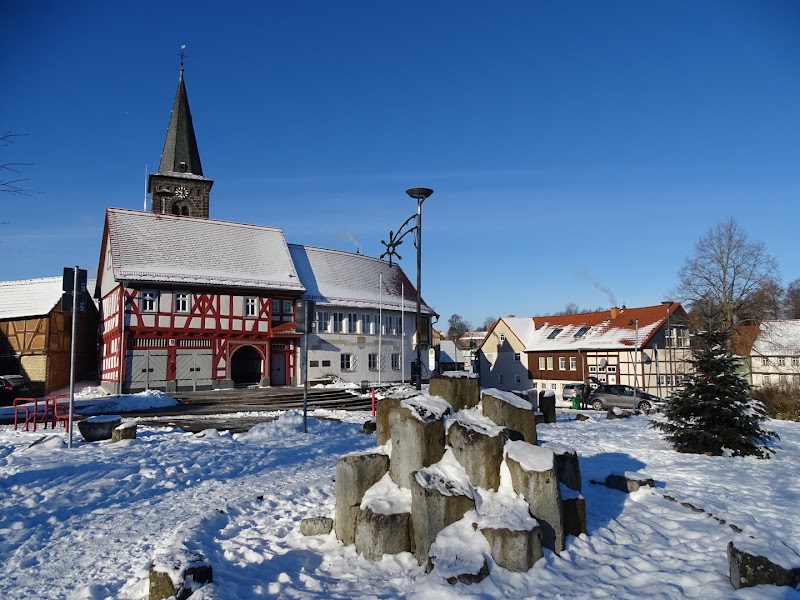
A soft-edged volcanic upland of meadows, forest and small market towns, Vogelsberg is for cycling and gentle walking rather than headline sights. Use it as a scenic car-route break between Frankfurt, Fulda and the Rhön.
cyclistshikersfamilies
Don't miss
1
MAIN TOWERRhine-Main
Frankfurt's Main Tower is the region's most straightforward high-rise viewpoint, putting the financial skyline, Main river, and surrounding hills into immediate perspective. It is a concise, high-impact stop that works especially well early in a Frankfurt itinerary.
2
HessenparkRhine-Main
Hessenpark is an excellent open-air introduction to the state's vernacular architecture, crafts, and rural life, with historic buildings relocated from across Hessen. Give it real time rather than treating it as a quick museum: it is most rewarding as a half-day outdoors.
3
Bergpark WilhelmshöheNorth Hesse
Kassel's UNESCO-listed hillside park combines the monumental Hercules statue, palace grounds, long vistas, and theatrical water features in one of Germany's most distinctive designed landscapes. It deserves a half-day, particularly on a water-feature day, when the downhill sequence is the experience rather than merely a garden walk.
4
Städel MuseumRhine-Main
The Städel is Frankfurt's essential art museum, with a serious European collection that gives the city cultural weight beyond its skyline and business district. It is an easy, high-quality half-day on the Museumsufer and pairs naturally with the Main Tower.
5
Mathildenhöhe DarmstadtSouth Hesse
This UNESCO World Heritage artists' colony is Hessen's clearest expression of Jugendstil, centered on the Wedding Tower, artists' houses, and landscaped hilltop ensemble. Walk the grounds freely, then add the exhibition spaces if the design history interests you.
6
Niederwald MonumentRheingau
Above Rüdesheim, this oversized 19th-century monument is valuable less for its statuary than for its Rhine Valley panorama and access to vineyard walks. Use it as part of a Rheingau day with a cable-car ride, a walk, or wine-country lunch rather than as a drive-up photo stop.
Getting your bearings
Numbers match the places above; small dots are the headline sights.
The mental map
Think south, center and north. The south—Frankfurt, Wiesbaden/Rheingau, Darmstadt, Bergstraße and Taunus—is dense, urban-to-vineyard country and easiest without a car; central Hessen means Marburg, Fulda, Vogelsberg and the Rhön; north Hessen is Kassel, Edersee and Kellerwald. There is no coast or island component, and the rural uplands are much more car-dependent than the Frankfurt corridor.
When to go
April–May and September–early October are Hessen’s best all-round windows: comfortable walking weather, workable city-and-country itineraries, and the Bergstraße or Rheingau at their most appealing. Summer is best for the Edersee, hiking and Kassel’s scheduled Bergpark water features, but Frankfurt can be hot and expensive on business weekdays. Winter is for Frankfurt, Wiesbaden, Fulda or Kassel city breaks rather than a broad rural tour; Advent is atmospheric but requires early hotel booking.
Pacing a visit
Do not treat Hessen as a single day-trip region. A first 4–6-day visit can use Frankfurt as one base for the southern belt plus one or two countryside days; with 7–10 days, add either Fulda/Rhön or Kassel, while two weeks justifies moving north and staying near Edersee/Kellerwald. Frankfurt–Kassel takes roughly 1 hour 40 minutes to 2 hours by fast train, and Edersee/Kellerwald is considerably more awkward by public transport; rent a car for the Rhön, Vogelsberg, Odenwald or Edersee.
Book before you land
Messel Pit (Grube Messel) guided tour — access to the fossil pit itself is only by guided tour, and limited tour places should be reserved ahead. · Guided Bergpark Wilhelmshöhe water-features tour in Kassel — reserve if you want the guided version on a summer water-feature day; the public water sequence itself is free.
Getting in
FRAFrankfurt Airport
The obvious international gateway and the best arrival point for southern Hessen. It has both regional and long-distance rail stations, so Frankfurt, Wiesbaden, Darmstadt, Fulda and Kassel are reachable without touching a car; rent a car here only for the Odenwald, Rhön, Vogelsberg, Edersee or Kellerwald.
Flights and transfers into Frankfurt am MainFrankfurt (Main) Hauptbahnhof
The main rail gateway for travelers already in Germany or arriving from neighboring countries. It is the practical hub for the Frankfurt–Wiesbaden–Darmstadt belt and fast ICE links north to Fulda and Kassel.
Fulda Bahnhof
A major north–south ICE stop and a useful rail entry for central/eastern Hessen. It works well for Fulda itself and onward rail travel, but rent a car or accept sparse buses for serious exploration of the Rhön.
Flights and transfers into FuldaKassel-Wilhelmshöhe
North Hessen’s useful ICE gateway, especially for Bergpark Wilhelmshöhe and Kassel. It is far more sensible than attempting Kassel as a rushed Frankfurt day trip; use it as a base or overnight stop before continuing to Kellerwald/Edersee by car.
Flights and transfers into Kassel
Before you go
Questions worth settling
How many days do I need for Hessen?
Allow 4–6 days for Frankfurt, Wiesbaden or the Rheingau, plus one or two countryside days. With 7–10 days, add Fulda and the Rhön or Kassel; two weeks makes sense if you also want Edersee and Kellerwald-Edersee National Park.
Where should I base myself on a first trip?
Use Frankfurt am Main for at least two nights and for the southern belt, including Wiesbaden, the Rheingau, Darmstadt and Taunus. Stay in Fulda for the Rhön, in Kassel for Bergpark Wilhelmshöhe, and near Waldeck, Bringhausen or Vöhl for Edersee/Kellerwald rather than commuting from Frankfurt.
Which places combine well in one itinerary?
Frankfurt pairs easily with Wiesbaden and the Rheingau, while Darmstadt works well with Mathildenhöhe and a guided Messel Pit visit. Fulda is the practical link to the Rhön; Kassel pairs with Edersee/Kellerwald only if you have a car and enough time for an overnight or longer.
Do I need a car in Hessen?
No for Frankfurt, Wiesbaden, Darmstadt, Marburg, Fulda and Kassel: trains, S-Bahn, trams and buses work well, and fast ICE trains connect Frankfurt, Fulda and Kassel. Rent a car for Bergstraße and Odenwald, Rhön, Vogelsberg, and especially Edersee/Kellerwald, where trailheads and lakeside villages have sparse public transport.
Can I visit Kassel or Edersee as a day trip from Frankfurt?
Kassel is reachable by fast train in roughly 1 hour 40 minutes to 2 hours before local transfers, but it is better as an overnight stop than a rushed day trip. Edersee and Kellerwald are considerably harder by public transport, so stay nearby and use a car.
When is the best time to visit Hessen?
April–May and September–early October are the best all-round periods for city visits, wine country and walking. Summer is strongest for Edersee, hiking and Kassel’s Bergpark water features, while winter works best for city breaks, spas and Christmas markets rather than broad rural touring.
What should I book ahead?
Reserve a guided Messel Pit tour, since access to the fossil pit itself is only by guided tour and places are limited. If visiting Kassel from 1 May to 3 October, plan around the Wednesday, Sunday or Hessian-public-holiday water-feature schedule and book ahead for the guided Bergpark version; also reserve Frankfurt hotels early for trade fairs, concerts and Advent weekends.
What are the entry and visa basics for Germany?
Germany is in the Schengen Area: EU/EEA/Swiss citizens can enter freely, while many visitors including US, Canadian, UK, Australian and Japanese passport holders can generally visit visa-free for up to 90 days in any 180-day Schengen period. Check current German Foreign Office requirements before departure, including passport, onward-travel and any changing ETIAS rules.
Known for
- Frankfurt’s skyline, museums and major international air-and-rail hub
- Rheingau Riesling, vineyard villages and Wiesbaden’s spa culture
- Apfelwein, Frankfurter Grüne Soße and Rhine-Main food culture
- Bergpark Wilhelmshöhe in Kassel, including its seasonal water features
- Grimm associations, half-timbered towns and university-city Marburg
- The Rhön, Kellerwald-Edersee and other wooded low-mountain landscapes

