
- Pace
- Use one hotel base—Palermo for dining and nightlife, Recoleta for calm and museums, San Telmo for atmosphere—and do not change hotels for logistics. Four full days is the minimum worthwhile first visit; six or seven allows room for neighborhoods, museums, tango or football without rushing. Walk by day, use the Subte and buses where direct, and rely on licensed taxis or rideshare at night; this is a working metropolis, not a frictionless tourist shuttle.
- When to go
- April–May and late September–November are the strongest windows: mild walking weather, full restaurant and cultural life, and parks at their best. Summer is hot and humid but works if you plan around late dinners and air-conditioned museums; winter is cool, damp and good value, with July school holidays the main exception. Avoid January only if heat undermines a city break built around walking.
- Daily budget
- US$150–260
Buenos Aires is Argentina’s autonomous capital: a dense, late-night culture city where tango, football, Belle Époque architecture, theaters, bookstores, psychoanalysis, café life and immigrant food traditions matter more than landmark collecting. It rewards long walks, meals that run late and choosing neighborhoods with a purpose; the Río de la Plata edge offers docks, wetlands and skyline views, not a beach escape.
Known for
- Tango, milongas and the Tango BA Festival
- Football culture, especially Boca Juniors and River Plate
- Grand civic architecture, Avenida de Mayo, the Obelisco and Teatro Colón
- Porteño pizza, parrillas, bodegones, cafés and Argentine gelato
- Bookstores, theater on Avenida Corrientes and a serious contemporary-art scene
- Belle Époque Recoleta and the city’s café-and-nightlife rhythm
Where to go
 1
1Short stop · 1–1.5 days
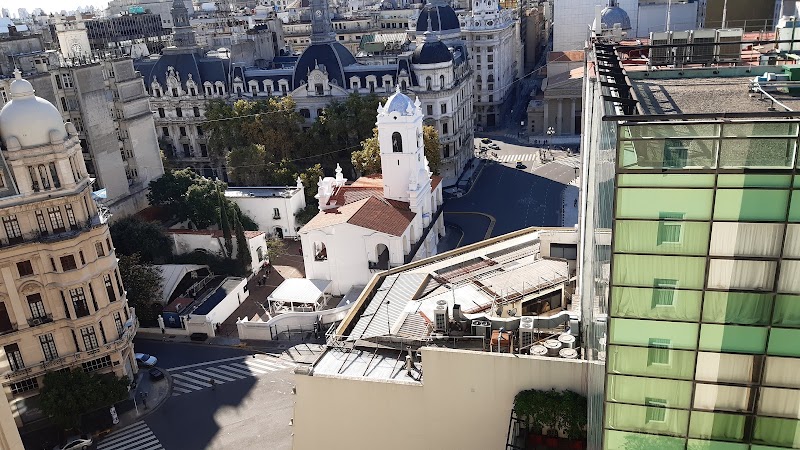
Monserrat, Microcentro and San Nicolás
The historic, political and theatrical core: Plaza de Mayo, Avenida de Mayo, the Obelisco, Teatro Colón and Avenida Corrientes. Come for the essential first-day orientation, then stay late for pizza, theater and coffee rather than lingering through weekday office hours.
first-timersarchitecture lovershistory travelerstheatergoers
Explore Monserrat, Microcentro and San Nicolás 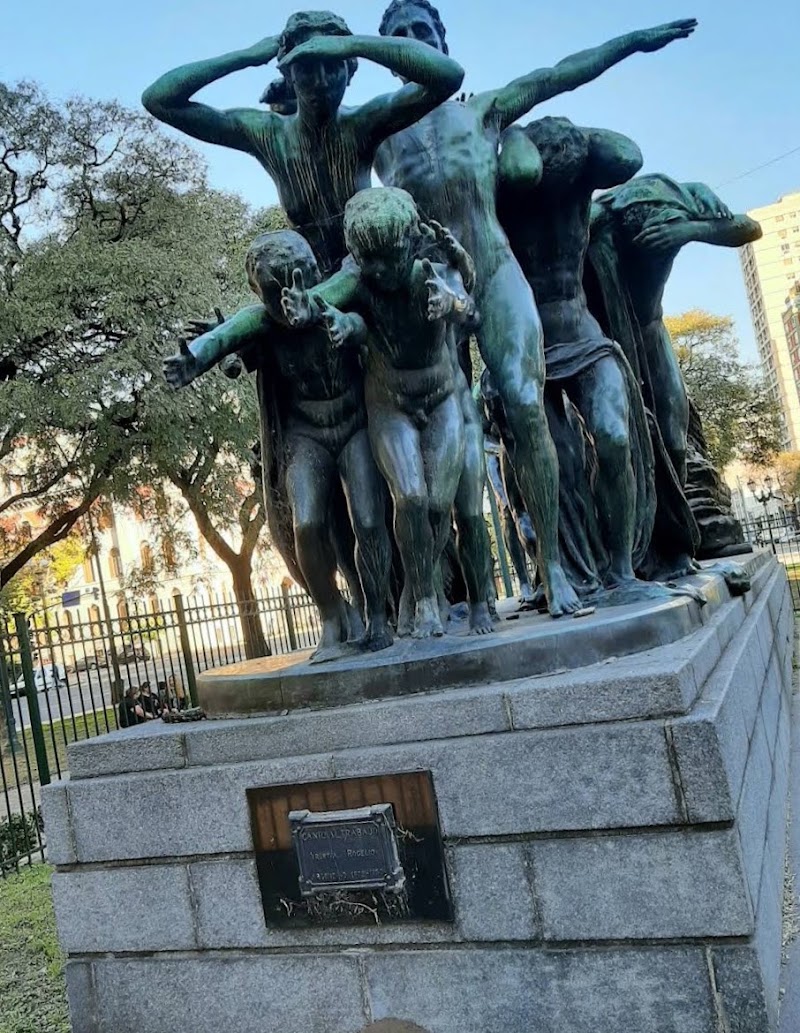 2
2San Telmo
Short stop · 0.5–1.5 days
Cobblestones, old mansions, the Mercado de San Telmo and the city’s strongest old-Buenos-Aires atmosphere. It rewards an unhurried day of cafés, small museums and market grazing; Sunday’s antiques fair is worth doing once despite the crowds.
first-timersphotographerscouples
 3
3Recoleta and Barrio Norte
Short stop · 0.5–1 days
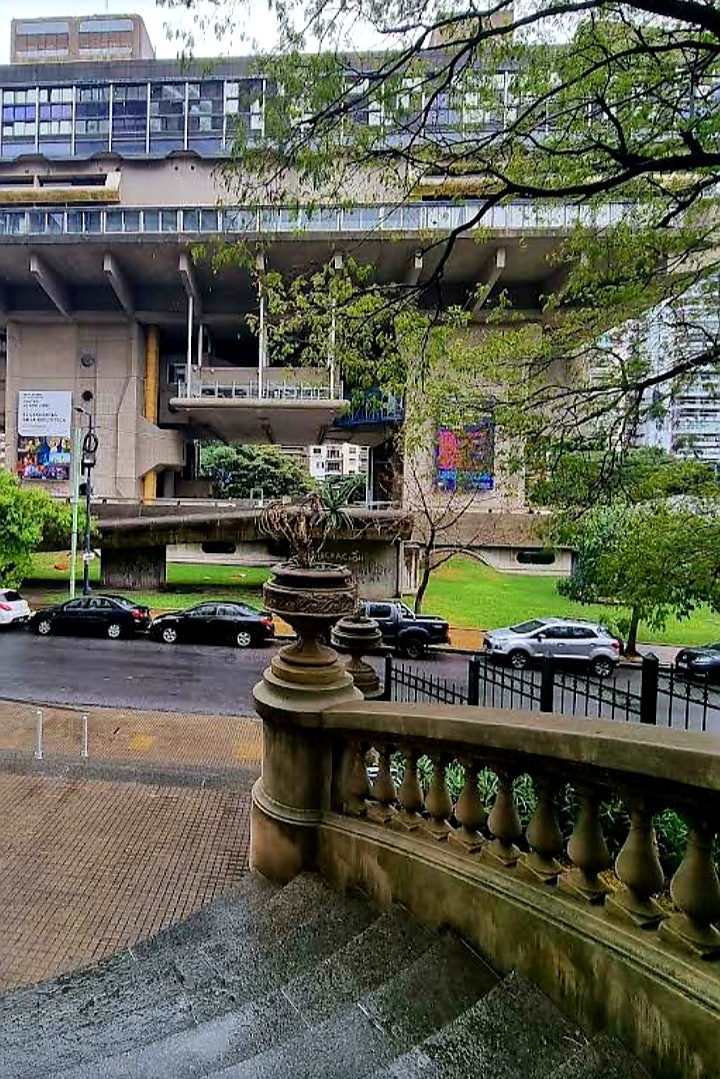
Grand avenues, mansion-lined streets, the cemetery, Museo Nacional de Bellas Artes and some of the city’s easiest hotel logistics. It is polished rather than gritty, but a very effective base and the best concentrated museum district.
first-timersart loversolder travelers
 4
4Palermo
Base · 0.5–2 days
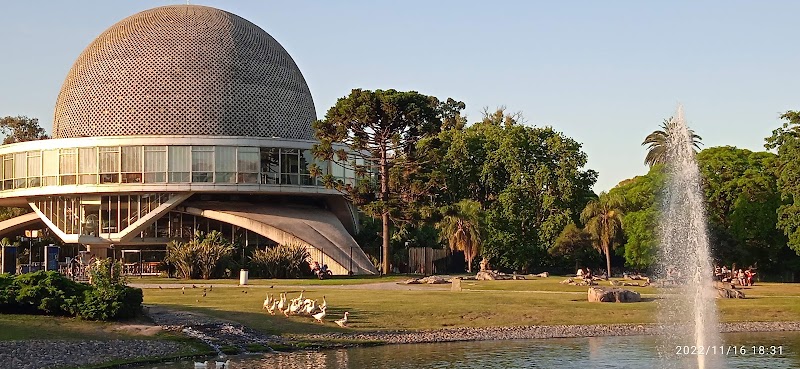
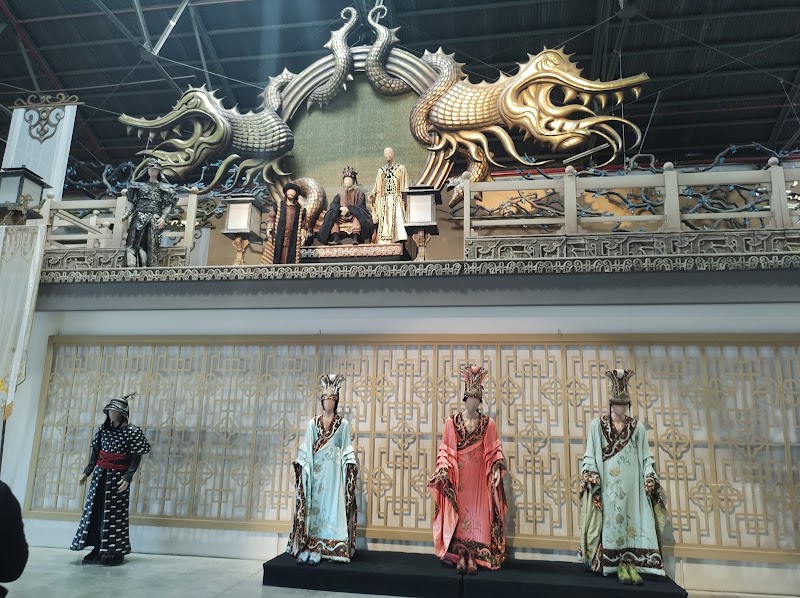
The city’s most useful all-purpose district: parks and lakes in the north, Palermo Chico elegance, then dining, bars and boutiques across Soho and Hollywood. It is sprawling and increasingly expensive, so treat it as several adjacent zones rather than one village.
first-timersfoodiesnightlife travelers
 5
5La Boca and Barracas
Short stop · 0.5 days
Go for Boca Juniors, port-city immigration history, Fundación Proa and the visual jolt of Caminito; continue to Barracas for murals and industrial texture. Keep the visit purposeful and daytime-focused—Caminito is a tourist set piece, not an area for aimless wandering.
football fanscontemporary-art visitorsphotographers
 6
6Puerto Madero and Reserva Ecológica Costanera Sur
Short stop · 0.5 days
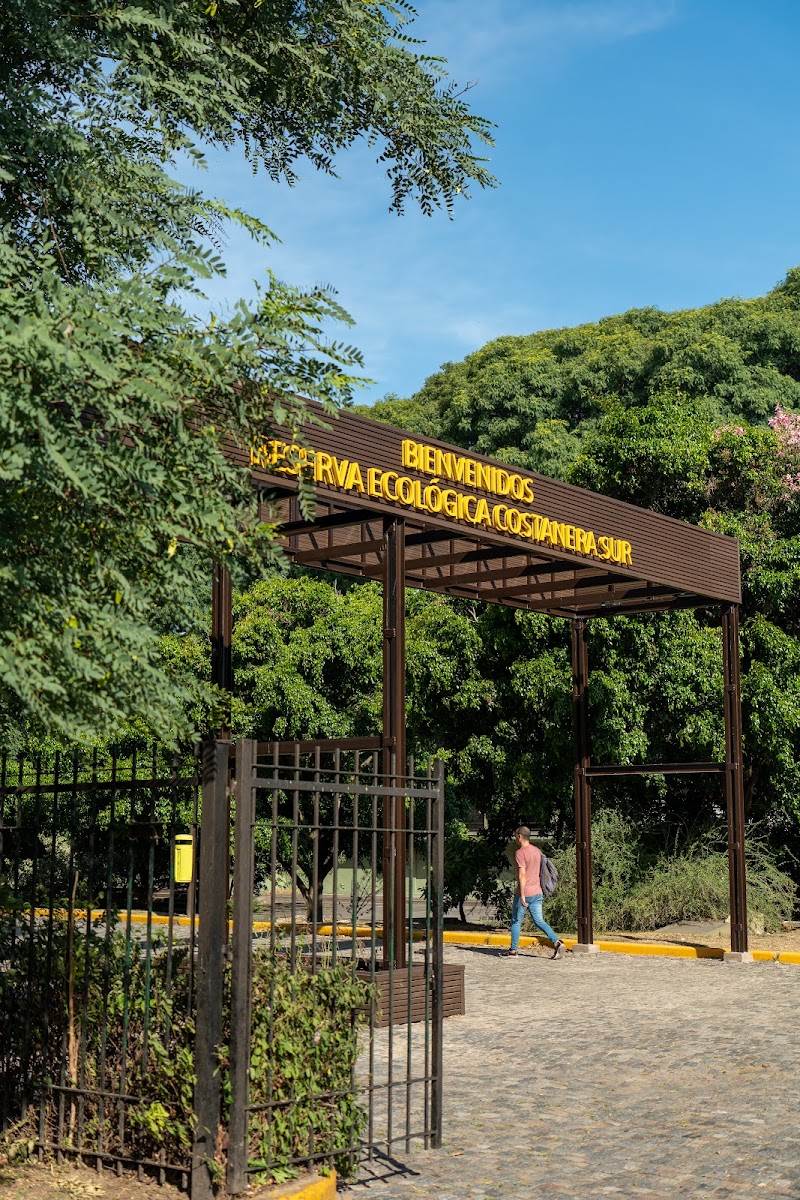
Renovated docks and skyline walks meet the riverside wetland reserve, making this the city’s best reset from dense streets. Pair it with San Telmo or Plaza de Mayo; come for sunset, birds and a walk, not distinctive dining or a beach.
runnersfamilieswalkers
 7
7Villa Crespo, Chacarita and Colegiales
Short stop · 0.5–1 days
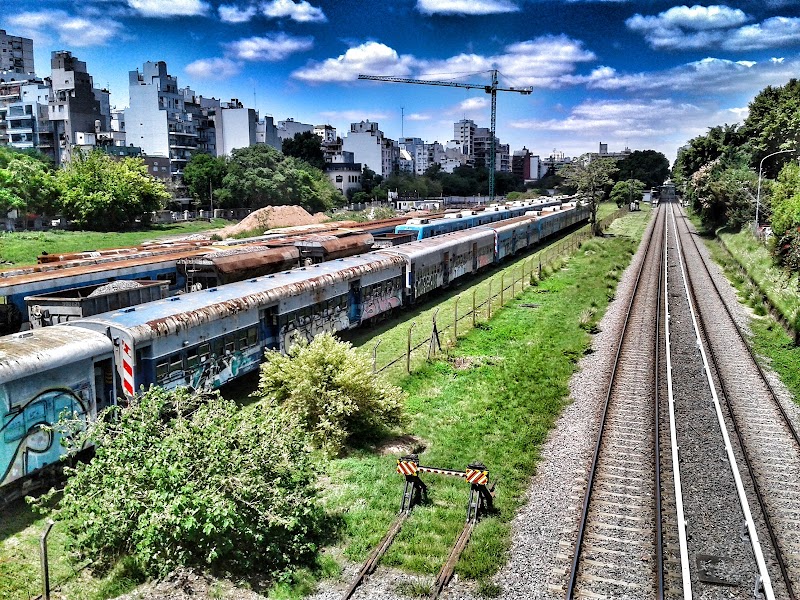
The worthwhile next step beyond Palermo: independent restaurants, bakeries, record shops, traditional pizzerias and lower-key bars. Chacarita is especially strong for contemporary dining, though this is a district to inhabit rather than rush through for landmarks.
foodiesreturn visitorscreative travelers
 8
8Belgrano, Barrio Chino and Núñez
Short stop · 0.5–1 days
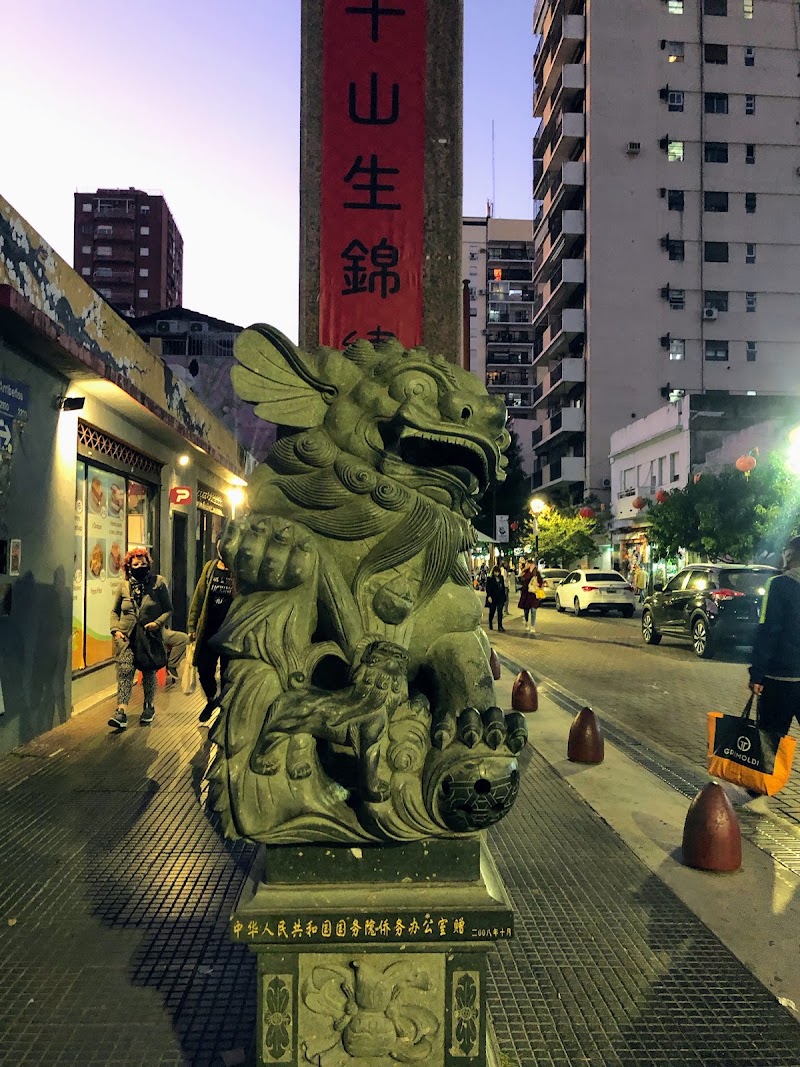
A leafier, slower northern stretch with Belgrano’s old-village feel, a compact Chinese commercial district and River Plate’s Monumental stadium in Núñez. It is a strong food and football detour, but not a replacement for the historic center on a short first visit.
familiesstadium visitorsEast Asian food lovers
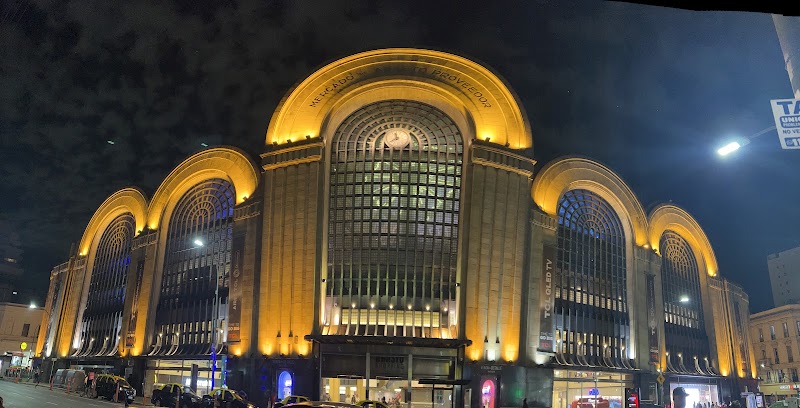 9
9Abasto, Almagro and Balvanera
Short stop · 1 day
A more everyday Buenos Aires of Gardel associations, immigrant history, bodegones, traditional pizzerias and neighborhood milongas. Choose a specific reason to go—a tango night, café or meal—rather than expecting postcard streets.
tango dancersserious eatersrepeat visitors
Don't miss
1
ObeliskCentro
Buenos Aires’s visual shorthand is best treated as a quick stop rather than a destination in itself. Use it to orient a walk along Avenida Corrientes, the theatre district, and nearby Teatro Colón.
2
Plaza de MayoCentro
This is the essential civic stage of Argentine history, framed by the Casa Rosada, Cabildo, cathedral, and the Mothers of Plaza de Mayo’s legacy. Start a historic-centre walk here, then continue south toward San Telmo or east to Puerto Madero.
3
Recoleta CemeteryPalermo & Recoleta
Its maze of grand mausoleums is one of the city’s indispensable experiences, equally revealing about elite Argentine history, funerary art, and national mythology. Give it enough time to wander beyond Eva Perón’s grave, then continue into Recoleta’s museums and parks.
4
Teatro ColónCentro
Among the world’s great opera houses, the Colón is a defining piece of Buenos Aires’s cultural self-image and well worth seeing even without attending a performance. Take a daytime guided tour for the interiors, or book a concert or opera if the program aligns.
5
CaminitoLa Boca & Barracas
The brightly painted former port district is deliberately theatrical and heavily touristed, but it remains an essential visual chapter of Buenos Aires’s immigrant and football culture. Visit it in daylight, keep the circuit focused, and combine it with broader La Boca context rather than treating it as an all-day neighborhood.
6
MALBAPalermo & Recoleta
The Museum of Latin American Art of Buenos Aires is the city’s clearest single introduction to twentieth- and twenty-first-century Latin American art, with a compact permanent collection and strong temporary exhibitions. Prioritize it over smaller galleries on a short trip, then walk into Palermo’s parks or Recoleta.
Getting your bearings
Pins are the top attractions, ranked by the corner badge — click one for details.
The mental map
Think in three broad bands rather than as a single walkable center: the historic south (San Telmo, La Boca, Barracas and Constitución); the civic and commercial center (Monserrat, Microcentro, Congreso, Retiro and Puerto Madero); and the greener, more residential north and northwest (Recoleta, Palermo, Belgrano, Núñez, Chacarita and Villa Crespo). Cluster each day by adjacent barrios: San Telmo/La Boca/Puerto Madero, Centro/Recoleta, or Palermo/Chacarita/Villa Crespo. The north–south span is short on a map but can take 35–60 minutes in traffic.
When to go
April–May and late September–November are the strongest windows: mild walking weather, full restaurant and cultural life, and parks at their best. Summer is hot and humid but works if you plan around late dinners and air-conditioned museums; winter is cool, damp and good value, with July school holidays the main exception. Avoid January only if heat undermines a city break built around walking.
Pacing a visit
Use one hotel base—Palermo for dining and nightlife, Recoleta for calm and museums, San Telmo for atmosphere—and do not change hotels for logistics. Four full days is the minimum worthwhile first visit; six or seven allows room for neighborhoods, museums, tango or football without rushing. Walk by day, use the Subte and buses where direct, and rely on licensed taxis or rideshare at night; this is a working metropolis, not a frictionless tourist shuttle.
Book before you land
Teatro Colón performances and the most convenient guided-tour slots · Major Boca Juniors and River Plate home matches, bought through official club channels or a reputable authorized seller · Headline tango performances, opera, concerts and major festival events—especially during Tango BA Festival y Mundial · High-demand tasting-menu restaurants and top parrillas on Thursday–Saturday nights
Getting in
EZEMinistro Pistarini International Airport, Ezeiza
The main intercontinental gateway, about 30 km southwest of central Buenos Aires. Use an official taxi/remis desk, prebooked transfer, airport bus or rideshare; allow roughly 45–90 minutes depending on traffic.
AEPAeroparque Jorge Newbery
The city airport on the riverfront, used heavily for domestic flights and many regional South American services. It is far more convenient for Palermo, Recoleta and the center—usually 20–40 minutes by car, traffic permitting.
Retiro bus terminal
The realistic overland hub for long-distance buses from elsewhere in Argentina and neighboring countries. It is useful, but the immediate area is hectic; use a taxi or rideshare for onward travel rather than lingering with luggage.
Puerto Madero ferry terminal
The practical arrival point for Buquebus/Colonia Express services from Uruguay, especially Colonia del Sacramento and Montevideo connections. It lands centrally, near the historic core and San Telmo.
Before you go
Questions worth settling
How many days do I need for a first trip to Buenos Aires?
Plan at least four full days. Six or seven days gives you time for the historic center, San Telmo, Recoleta, Palermo, a tango or football night, museums and slower meals without crossing the city in a rush.
Where should I stay for a first visit?
Use one hotel base: Palermo is best for dining and nightlife, Recoleta and Barrio Norte for calmer streets and museums, and San Telmo for historic atmosphere. Do not change hotels between neighborhoods; traffic can make even short north–south distances take 35–60 minutes.
Which neighborhoods should I combine on the same day?
Pair San Telmo with La Boca and Puerto Madero; combine Monserrat, Microcentro, San Nicolás and Recoleta; and group Palermo with Chacarita or Villa Crespo. Belgrano, Barrio Chino and Núñez make a separate northern detour, particularly for River Plate’s Monumental stadium.
Do I need a visa to visit Buenos Aires?
Citizens of the US, Canada, UK, EU countries, Australia and many Latin American countries generally enter Argentina visa-free for tourism stays of up to 90 days. Requirements can change, and other nationalities may need a visa or electronic travel authorization, so confirm with an Argentine consulate or immigration authority before booking.
What is the best way to get around Buenos Aires?
Walk within each barrio cluster, use the Subte for straightforward radial trips, and take buses when they are the direct option; a SUBE card is used for Subte and buses. Use licensed taxis or rideshare at night and for La Boca, where visits should be purposeful and daytime-focused.
When is the best time to visit Buenos Aires?
April–May and late September–November are the best all-round periods for mild walking weather, parks, cafés and cultural life. Summer is hot and humid, while winter is cool and damp but suits museums, theater and dining; avoid January if heat would spoil a walking-focused trip.
What should I book before I arrive?
Book Teatro Colón performances or convenient tour slots, major Boca Juniors or River Plate home matches through official or authorized channels, and headline tango shows, concerts or Tango BA Festival events. Reserve high-demand tasting menus and leading parrillas for Thursday through Saturday nights, and book lodging early for the late-April/early-May Book Fair, April BAFICI, or Tango BA Festival y Mundial.
Known for
- Tango, milongas and the Tango BA Festival
- Football culture, especially Boca Juniors and River Plate
- Grand civic architecture, Avenida de Mayo, the Obelisco and Teatro Colón
- Porteño pizza, parrillas, bodegones, cafés and Argentine gelato
- Bookstores, theater on Avenida Corrientes and a serious contemporary-art scene
- Belle Époque Recoleta and the city’s café-and-nightlife rhythm